
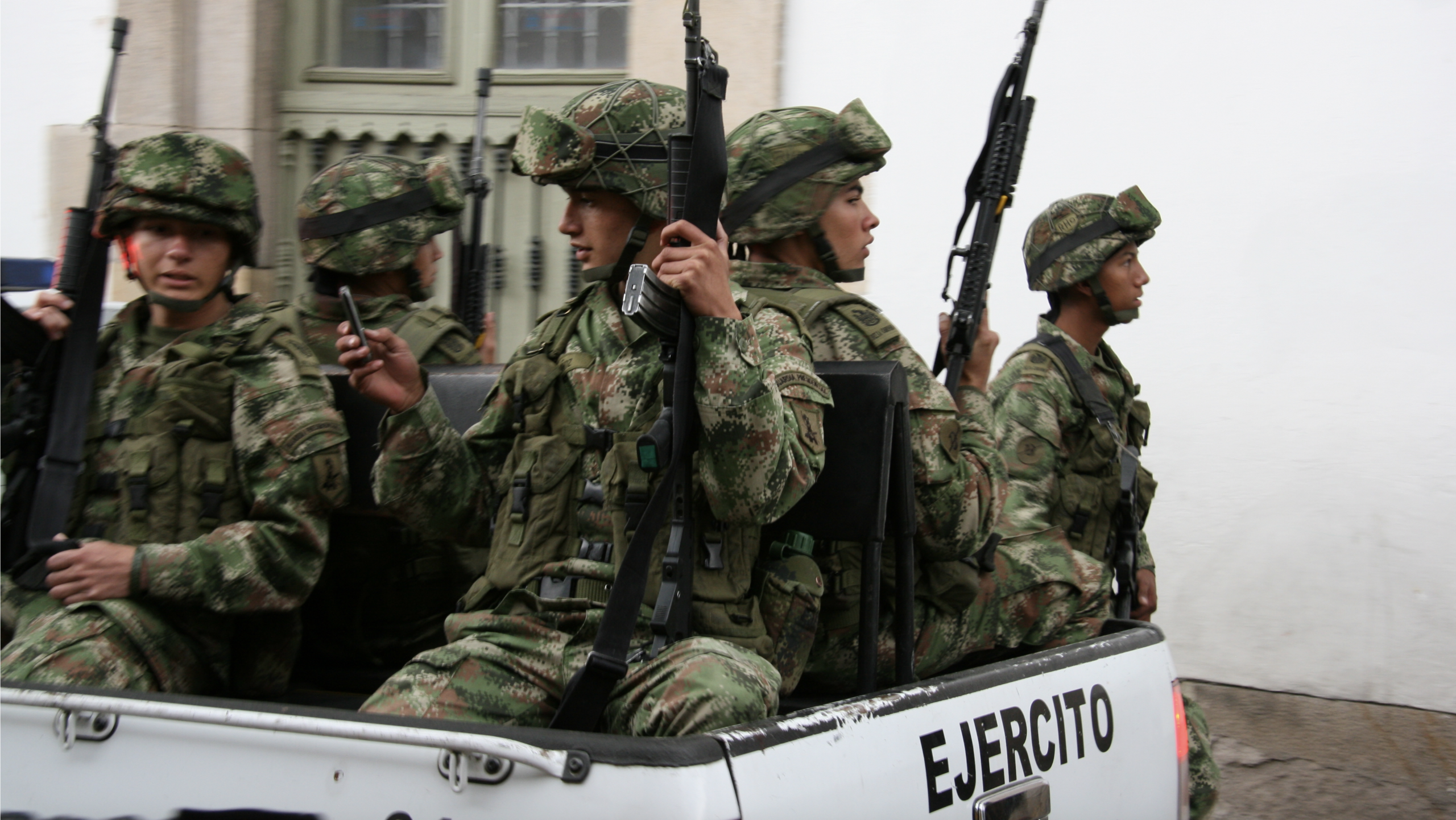
Colombian President Gustavo Petro announced on Monday that public forces are being mobilized to the nation’s border with Venezuela following an emergency National Security Council meeting held in the early morning hours. The deployment serves as a proactive measure to manage a potential humanitarian crisis and maintain regional stability.
Why It Matters
The movement of troops to the border marks a significant shift in regional security posture. As Colombia prepares for a possible massive influx of refugees, the government is balancing its humanitarian obligations with a firm stance on national sovereignty. The stability of the border is critical for preventing the spillover of internal conflicts and ensuring the safety of citizens in both nations.
What to Know
During the 3 a.m. session, the Colombian government finalized plans to deploy all available support forces in anticipation of refugee movements. Despite the increased military presence, the administration of Gustavo Petro has maintained that the Colombian Embassy in Venezuela will remain active to assist citizens.
The administration explicitly rejected aggression against the sovereignty of Venezuela and Latin America, citing the United Nations principle of the self-determination of peoples. Furthermore, Colombia, as a member of the United Nations Security Council, intends to convene the Council to address the situation.
What People Are Saying
Global leaders and diplomats have begun reacting to the unfolding situation in South America. Former French Prime Minister Dominique de Villepin has been among those monitoring the regional diplomatic stakes. Meanwhile, Chilean President Gabriel Boric has previously emphasized the necessity of transparency and the protection of democratic integrity within the region, reflecting a broader consensus among Latin American leaders regarding the importance of peaceful resolution.
What Happens Next
The Colombian government remains committed to its proposal of “dialogue and more dialogue” to resolve internal conflicts. The focus will now shift toward the United Nations, where Colombia seeks to involve the Security Council in upholding international law. On the ground, border authorities will continue to monitor refugee numbers while seeking paths for civil dialogue to ensure national unity and peace.


