
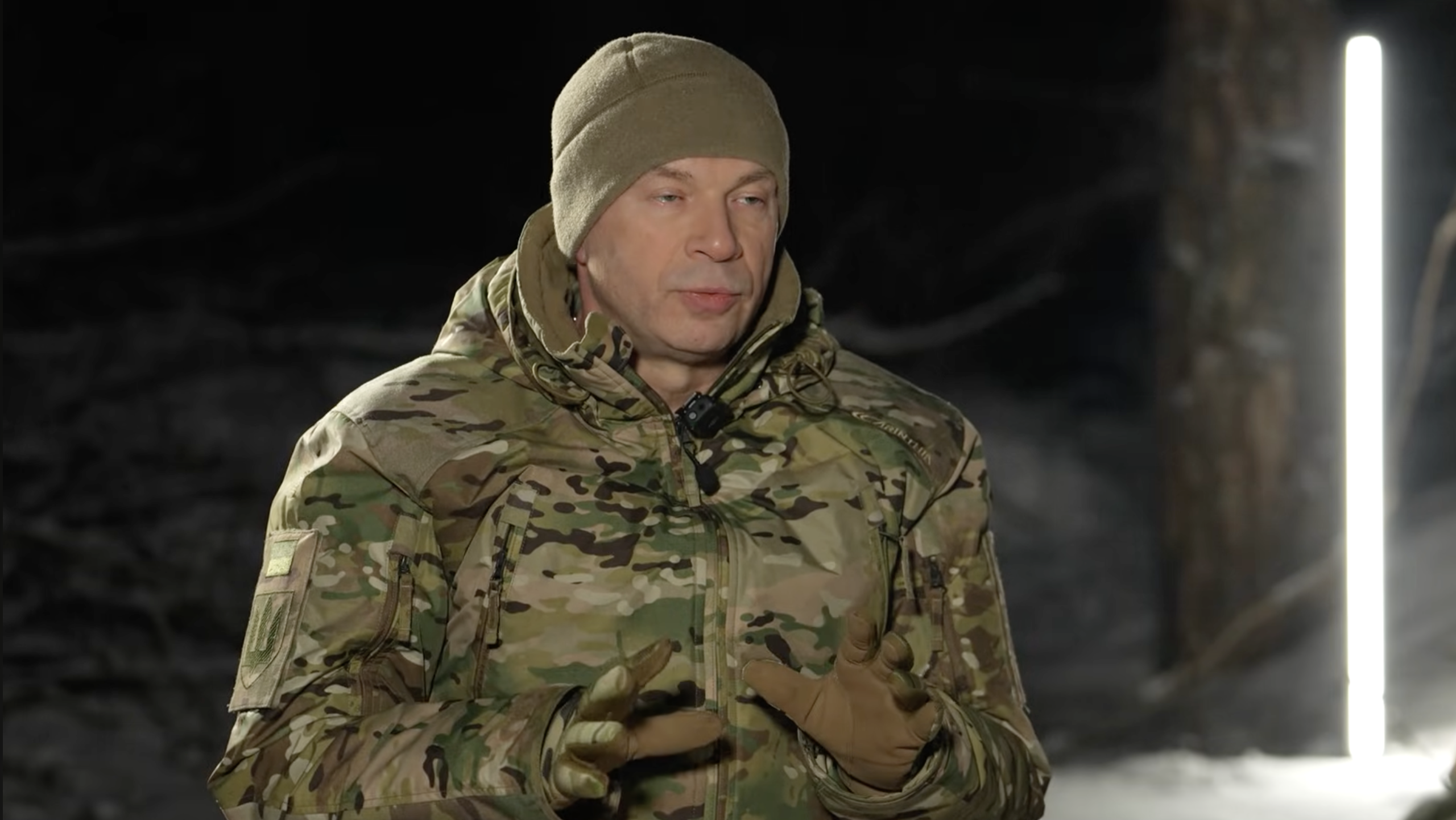
In a significant shift in the global defense landscape, Ukraine’s top military leadership has revealed that the United Kingdom and France have requested to learn from Ukrainian military expertise. For the past three years, Western nations have primarily served as the instructors for Ukrainian recruits; however, the unique realities of modern drone warfare and high-intensity trench combat have prompted London and Paris to seek a reversal of those roles.
Why It Matters
The request underscores a fundamental change in how modern wars are perceived by NATO’s most powerful members. Ukraine currently possesses the only military in the world with sustained, large-scale experience fighting a peer adversary using a combination of Soviet-era tactics and cutting-edge digital technology. As the North Atlantic Treaty Organization seeks to modernize its own doctrines, the “Ukrainian model” of rapid innovation in electronic warfare and unmanned aerial vehicles (UAVs) has become a vital case study for Western defense ministries.
What to Know
Commander-in-Chief of the Armed Forces of Ukraine, Oleksandr Syrskyi, detailed this evolving partnership in a recent interview, noting that the flow of tactical knowledge is no longer one-sided. While the West continues to provide heavy weaponry and long-range capabilities, Ukraine is now providing the “battle-proven” data that these nations need to prepare their own domestic forces for future conflicts.
The Ukrainian military is currently undergoing massive internal restructuring to better facilitate this exchange and improve efficiency. These military reforms include the streamlining of the Territorial Defense Forces (TRO) and the creation of specialized assault units intended to spearhead operations in 2025. Syrskyi emphasized that the goal is to create a more professionalized force that can sustain long-term defensive and offensive actions.
What People Are Saying
Military analysts and social media reports have highlighted that this request from France and Britain validates the effectiveness of Ukraine’s improvised battlefield solutions. Syrskyi has stated that the interest from European partners specifically centers on how Ukraine manages to integrate commercial technology into military operations. “Our partners are interested in the experience of using drones, the experience of using electronic warfare, and the experience of organizing a modern battle,” Syrskyi noted, emphasizing that the Ukrainian military has essentially become a living laboratory for the future of warfare.
What Happens Next
Looking toward 2025, Ukraine is aiming to maintain an active force of approximately 800,000 personnel. The collaboration with Britain and France is expected to formalize into structured training programs where Ukrainian instructors will advise European officers on drone integration and defensive fortifications. As these reforms take hold, the Ukrainian Ministry of Defense intends to continue transitioning its command structure toward NATO standards, even as it provides the very data that will likely redefine those standards in the years to come.


