
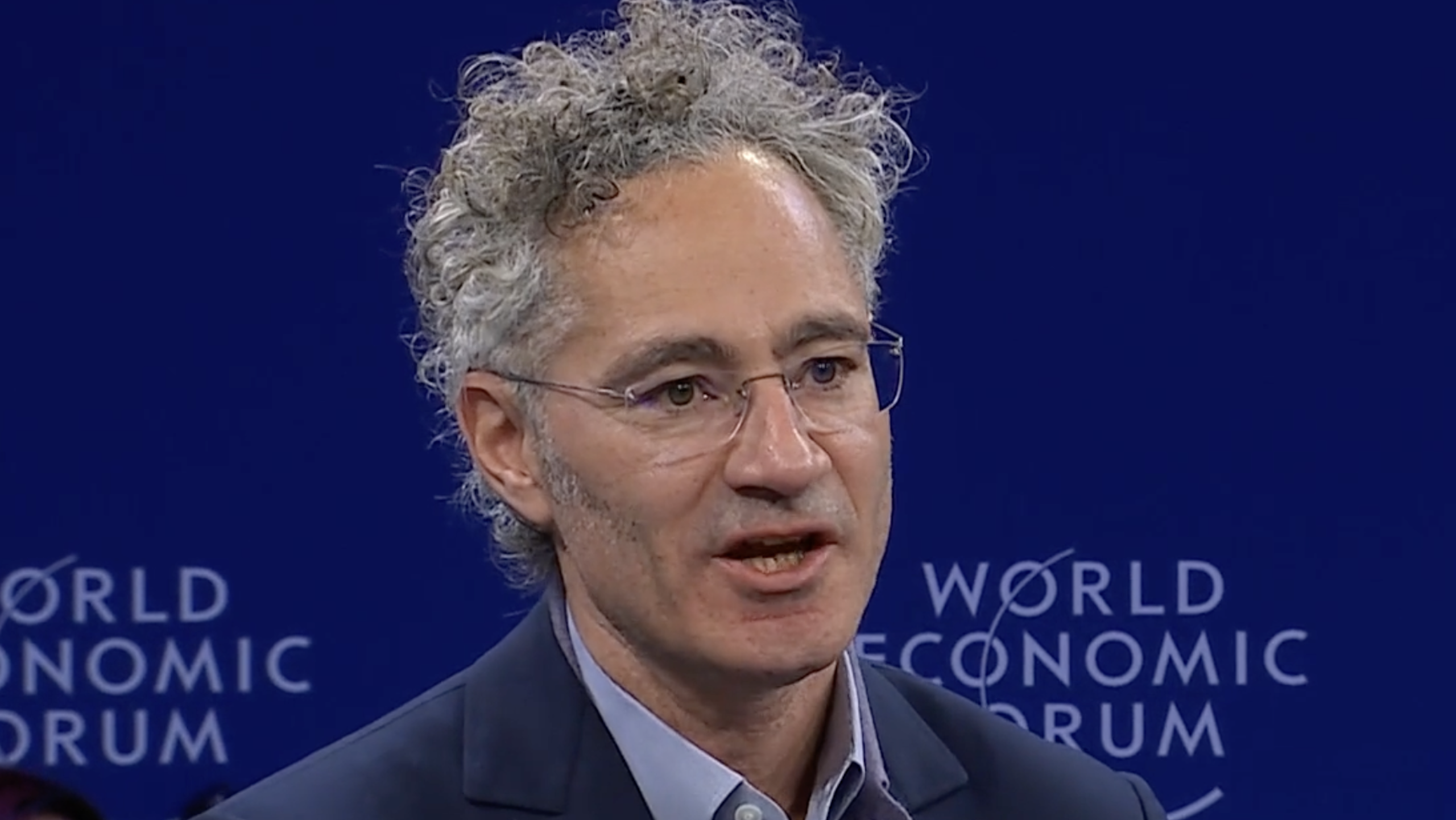
Palantir Technologies CEO and co-founder Alex Karp argued that artificial intelligence could reduce the need for large-scale immigration in Western countries, saying at the World Economic Forum in Davos that “it’s hard to imagine why we should have large-scale immigration unless you have a very specialized skill.”
Speaking on January 20, 2026, Karp highlighted the transformative potential of AI in expanding economic opportunities and modernizing industries. “There will be more than enough open jobs for citizens of a country — especially for people with vocational training,” he said, noting that AI-driven productivity gains could support employment without requiring additional labor from abroad.
Karp emphasized that AI adoption could allow companies and governments to leverage specialized knowledge and improve operational efficiency. He cited applications ranging from defense and intelligence work to healthcare and insurance underwriting, explaining that AI systems can help organizations process data faster, make more precise decisions, and optimize workflows.
Larry Fink: Will AI create or destroy jobs?
— Tim Hinchliffe (@TimHinchliffe) January 20, 2026
Alex Karp: Vocations like Technicians will be valuable.
"These trends really do make it hard to imagine why we should have large-scale immigration" #WEF26 pic.twitter.com/QFCQ3Ps5Ts
While acknowledging concerns about AI and potential workplace disruption, Karp rejected the notion that automation would inevitably lead to mass unemployment. He said macroeconomic effects are manageable if AI is applied strategically and integrated thoughtfully. “If you deliver systems that work, why do you need a massive salesforce?” he remarked, noting that successful AI implementations often sell themselves through demonstrated value.
Palantir, valued at over $400 billion on the stock market, has focused on supplying software to governments, intelligence agencies, and military operations. Karp framed the company’s mission as strengthening the West technologically and strategically, arguing that AI can serve as a force multiplier while reducing reliance on immigration to meet labor demands.
The CEO also contrasted AI adoption in the United States with other regions, highlighting the challenges and opportunities for countries and organizations to harness technology effectively. He stressed that AI allows employers to identify and maximize talent in ways that traditional education or immigration policies cannot, giving organizations a competitive edge without requiring an influx of foreign workers.
Karp concluded that AI adoption could reshape labor markets, especially for vocationally trained workers, and provide a foundation for sustainable economic growth. “These trends make it difficult to imagine why we should have immigration on a large scale,” he said, emphasizing that AI can complement domestic labor forces while focusing on highly specialized skills where needed.


