
The recent capture of Venezuelan President Nicolás Maduro by U.S. forces on January 3, 2026, has intensified efforts to disrupt illicit oil trading networks, posing significant challenges for China, which has relied heavily on discounted crude from sanctioned producers.
China has become a major purchaser of black-market oil from countries under Western sanctions, including Venezuela, Iran, and Russia. This strategy has helped lower its energy costs amid abundant global supply and low prices. However, the U.S.-led crackdown—highlighted by Maduro’s overthrow, tanker seizures, and selective sanctions relief on Venezuela—is disrupting these flows. With Brent crude trading around $63 per barrel and a global glut providing cover, Western powers are increasing enforcement on the “shadow fleet” of vessels that transport sanctioned oil, potentially forcing China to seek costlier alternatives.
The Scale of Sanctioned Oil Trade
Western sanctions currently cover a record 15% of global oil supply, according to shipping data provider Kpler. A shadow fleet of tankers dedicated to moving this illicit crude has expanded dramatically, now representing about a fifth of global deadweight tonnage, per maritime analysis from Lloyd’s List. This fleet employs deceptive practices, such as flag changes, location spoofing, and ship-to-ship transfers, to evade restrictions.
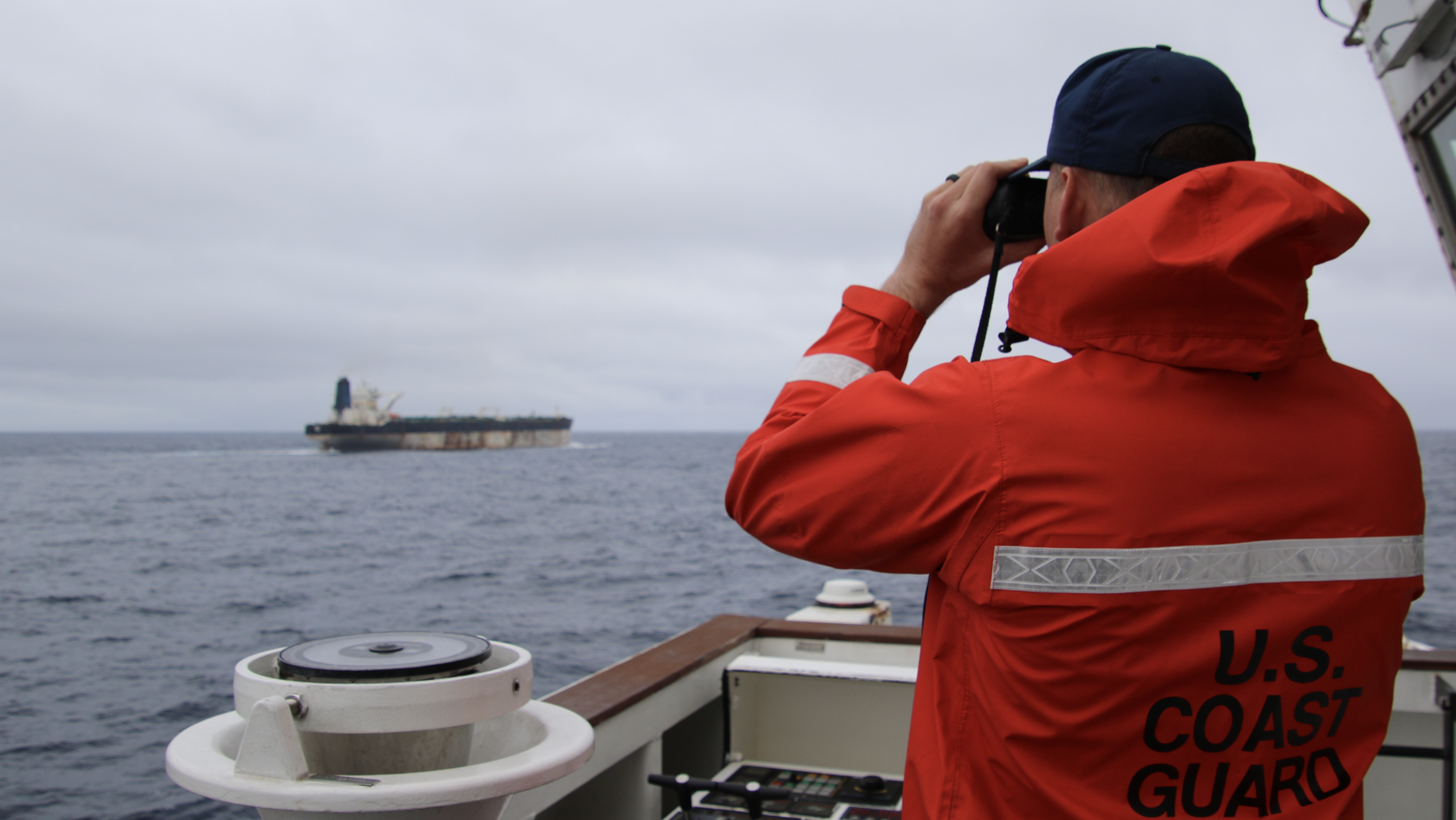
Recent U.S. actions underscore the growing pressure: American forces seized three tankers in international waters last week, part of a broader blockade on sanctioned Venezuelan vessels announced in late 2025. Russia has responded by allowing more vessels to sail openly under its flag—42 have switched in the past six months—potentially testing Western resolve. Millions of barrels of “dark” oil are currently stranded at sea, unable to find buyers as enforcement tightens.
Low oil prices and plentiful supply create a favorable window for the U.S. and Europe to target this trade without risking immediate energy inflation for consumers.
China’s Reliance on Discounted Sanctioned Crude
Along with India, China has been a primary beneficiary of heavily discounted oil from sanctioned nations. Data from Kpler indicates that Beijing sources about a third of its total oil imports from Iran, Russia, and Venezuela. In November, China saved nearly $9 per barrel on Venezuelan crude compared to equivalent heavy oil from Canada, per commodity tracker Argus Media.
Independent “teapot” refineries in Shandong province, which process 90% of Iran’s sanctioned exports, have particularly benefited from these low-cost supplies. This approach has reduced China’s overall energy expenses during a period of geopolitical tension.
Impact of Venezuela Upheaval
Maduro’s capture has created uncertainty for these arrangements. The roughly 500,000 barrels per day of Venezuelan crude that China previously absorbed are expected to shift toward U.S. Gulf Coast refineries. The White House has indicated that sanctions on Venezuela will be selectively eased in coming days, allowing mainstream market access, reducing discounts, and boosting Venezuela’s oil revenue.
Heavy crude from Canada and other sources has softened recently on expectations of Venezuelan substitution, but it remains far more expensive than China’s prior discounted purchases. Even with a smooth political transition in Venezuela, rebuilding neglected infrastructure could take years before production rises significantly.
This marks the third disruption to Chinese energy imports in under a year: U.S.-backed Israeli actions against Iran last summer raised fears over export facilities, while October sanctions on Russian producers Lukoil and Rosneft increased risks for Moscow’s crude.
China’s Strategic Response and Vulnerabilities
The events validate China’s recent aggressive stockpiling. The country has built substantial heavy crude reserves, sufficient to last until March, according to Argus Media’s Tom Reed. Beyond that, Beijing may turn to alternatives like Canada or Colombia.
Longer-term, China faces risks in upstream investments. China Concord Resources Corp. recently began developing Venezuelan oil fields, with plans for over $1 billion in investment to reach 60,000 barrels per day by end-2026, per J.P. Morgan analysis. The future of these projects—and others in Latin America—is uncertain amid U.S. efforts to limit Russian and Chinese influence in the region. Iran also appears less reliable amid ongoing antiregime protests.
Broader Risks to the Black Market
The sanctioned oil market handles about 6 million barrels per day. Further disruptions could spill over to official prices, despite current spare supply muting geopolitical premiums. Russia has grown more assertive in defending its shadow fleet, including submarine deployments in the North Atlantic and past airspace incidents. These developments signal building tensions in a trade that has until now operated largely out of sight.


