
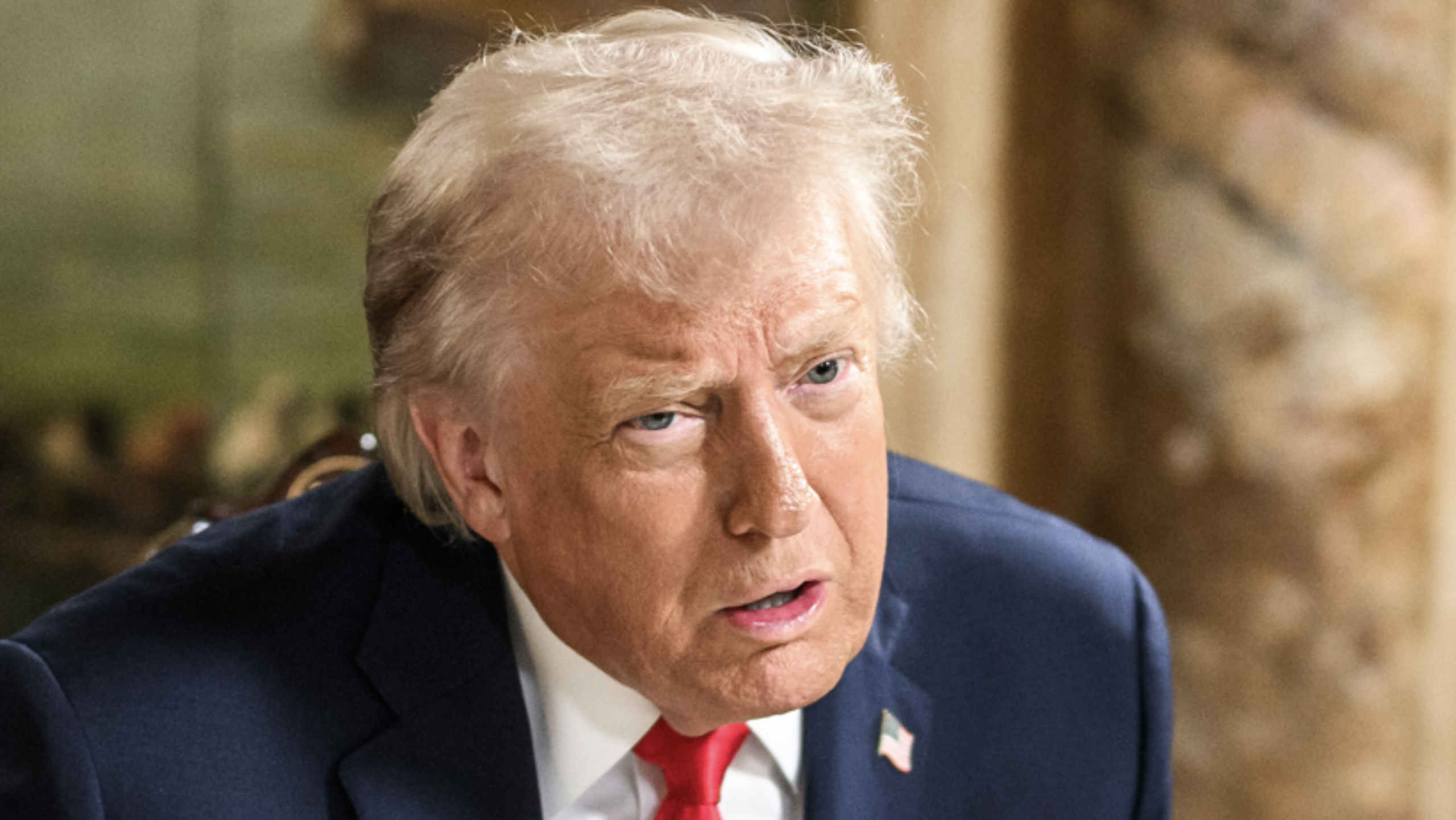
The United States is permitting Mexico to continue supplying oil to Cuba, even as President Donald Trump publicly vowed to halt all oil and financial support to the island nation. This development comes amid heightened U.S. pressure on Havana following the recent U.S. military capture of Venezuelan President Nicolás Maduro, which severed Cuba’s primary source of subsidized oil and exacerbated the island’s severe energy crisis.
Background: Cuba’s Energy Dependence and Recent Shocks
Cuba has long relied heavily on imported oil to power its economy, electrical grid, and transportation. For years, Venezuela served as the island’s largest supplier under an oil-for-services arrangement, where Cuba provided security, medical, and intelligence support in exchange for discounted crude and fuel. This partnership was integral to both regimes’ survival.
The situation changed dramatically in early January 2026, when U.S. forces captured Maduro and his wife in a military operation on January 3. The raid, which Trump described as targeting a leader facing U.S. charges related to drug trafficking and other crimes, also involved intercepting vessels carrying Venezuelan oil to Cuba. With Maduro ousted and Venezuela’s oil exports to Cuba halted, the island lost a critical lifeline, intensifying shortages that have caused rolling blackouts and deepened economic hardship.
Prior to this, Cuba’s energy woes were already acute. The country’s aging electrical infrastructure has struggled with frequent outages, and reports indicate the regime had resorted to reselling portions of Venezuelan oil to China to generate cash, further straining domestic supplies.
Mexico Steps In as Key Supplier
Mexico has emerged as Cuba’s most important remaining fuel provider in the wake of these events. Mexican shipments to Cuba were occurring at modest levels before Maduro’s capture, but they have taken on greater significance since. Mexican President Claudia Sheinbaum has characterized the oil deliveries as “humanitarian aid,” while emphasizing that volumes have not increased beyond historical norms and include both contractual sales and assistance.
The U.S. government, according to Energy Secretary Chris Wright and another official, is not blocking these Mexican supplies. This stance contrasts with Trump’s Sunday social media statement declaring that “there will be no more oil or money going to Cuba — zero.” Trump also spoke with Sheinbaum on Monday morning, though neither the White House nor the Mexican government has confirmed whether Cuba’s oil supply was addressed in the call.
U.S. Policy Aims and Pressures on Havana
U.S. officials have indicated that the goal is not to precipitate a sudden collapse of the Cuban government, which could lead to humanitarian chaos or uncontrolled instability. Instead, the administration seeks negotiations with Havana to facilitate a transition away from its authoritarian communist system. A total oil cutoff, assessments suggest, would severely impact Cuba’s decrepit electrical grid and compound existing blackouts.
Trump’s posts have included threats, urging Cuba to “make a deal before it is too late,” without specifying details of any proposed agreement or potential leadership changes. He later reshared a post suggesting Secretary of State Marco Rubio could become Cuba’s next president, adding “Sounds good to me.”
Cuba’s economic isolation has grown, with traditional supporters like Russia preoccupied by its conflict in Ukraine. The regime recently acknowledged the deaths of at least 32 Cubans killed during the U.S. raid on Maduro, revealing for the first time that Cuban security forces had been protecting the Venezuelan leader as part of their bilateral arrangement.
Cuban Response and Regime Resilience
Cuban President Miguel Díaz-Canel responded defiantly, stating that U.S.-Cuba relations must be based on international law rather than “hostility, threats, and economic coercion.” He denied any ongoing talks beyond technical migration discussions.
Despite intense strain—including cash shortages, energy deficits, and loss of patrons—the Cuban government has demonstrated significant staying power historically. U.S. intelligence assessments, including from the CIA, remain mixed on the regime’s near-term stability.
This episode highlights the complex interplay of regional energy dynamics, U.S. foreign policy objectives, and Cuba’s precarious position following the abrupt end of Venezuelan support. Mexico’s continued role as a supplier provides temporary relief to Havana while testing the limits of U.S. leverage in the region.


