
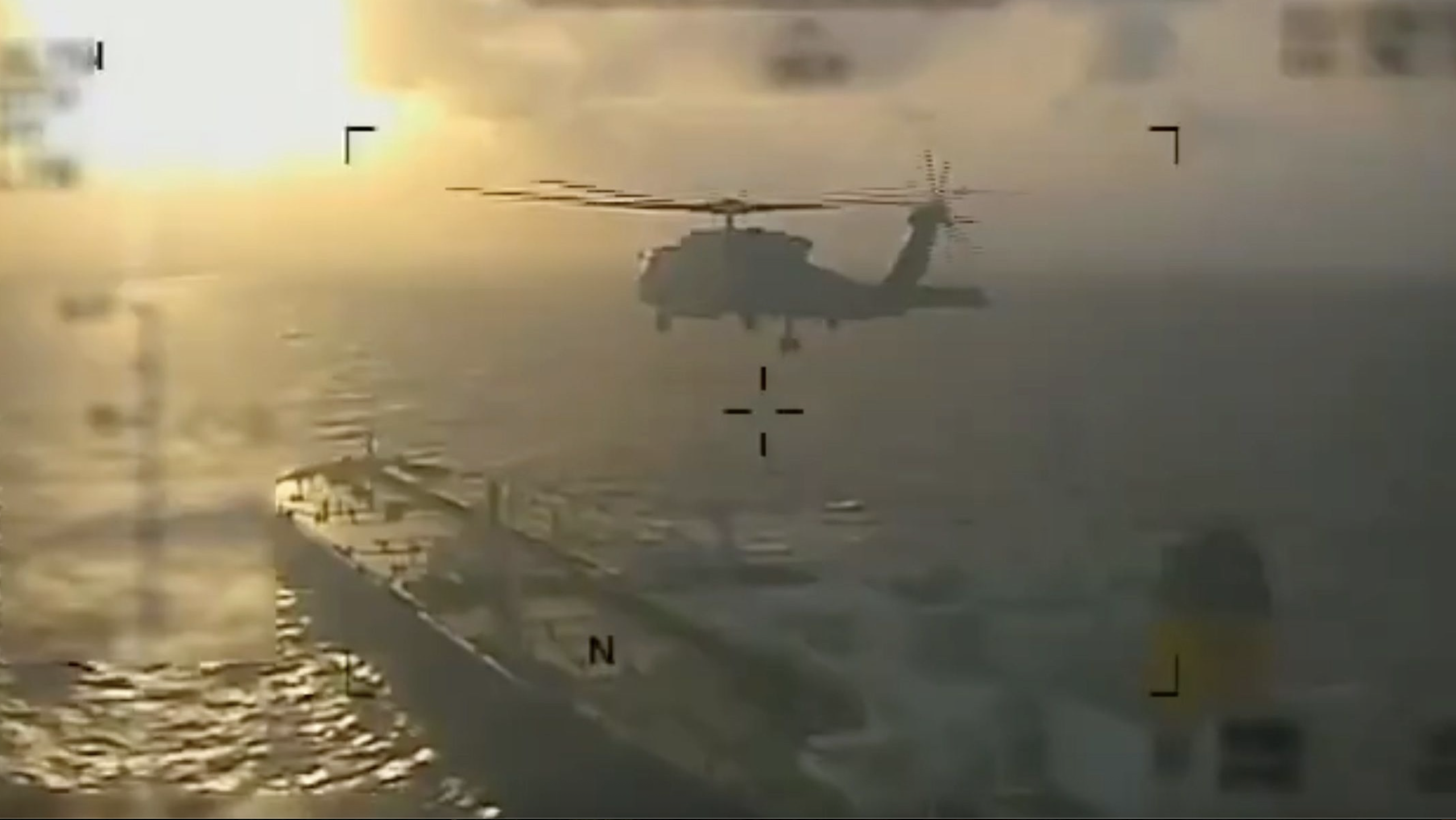
The United States has reportedly launched its first direct kinetic attack on Venezuelan territory, marking a sharp escalation in the long-standing tensions between Washington and Caracas. Sources indicate that a drone strike on a coastal port facility was carried out by the CIA earlier this month, representing a significant departure from previous strategies of economic and diplomatic isolation.
Why It Matters
The operation suggests that the Trump administration has moved beyond sanctions to active military intervention to challenge President Nicolás Maduro’s grip on power. This shift into a volatile new phase risks open conflict in the region, especially as it coincides with an increasingly lethal military posture regarding maritime interdiction operations across the hemisphere.
What to Know
The port strike occurred amid a broader surge in American military activity. On Monday, U.S. forces targeted a suspected drug vessel in the Eastern Pacific Ocean, resulting in two fatalities. These incidents are part of a high-tempo anti-narcotics initiative that has seen at least 107 people killed in strikes against vessels suspected of trafficking. While specific damage assessments from the Venezuelan port strike remain limited, the act of targeting soil directly is being viewed by analysts as a “crossing of the Rubicon” for U.S. foreign policy in South America.
What People Are Saying
Despite the gravity of the events, there has been a notable official silence from both the White House and Venezuelan leadership regarding the specifics of the port attack. Analysts suggest the lack of public comment may be a strategic pause as both nations weigh the potential for further escalation. While the administration maintains that these operations are essential to curb the flow of narcotics into the U.S., critics point to the rising body count as evidence of a conflict that is rapidly intensifying on multiple fronts.
What Happens Next
The international community is watching for a formal response from Caracas, which could include retaliatory measures or a heightened appeal to global allies. In the meantime, the U.S. military is expected to maintain its aggressive presence in both the Caribbean and Pacific corridors. The transition from covert maneuvering to direct kinetic action suggests that the frequency and intensity of these engagements may continue to rise as Washington increases pressure on the Maduro regime.


