
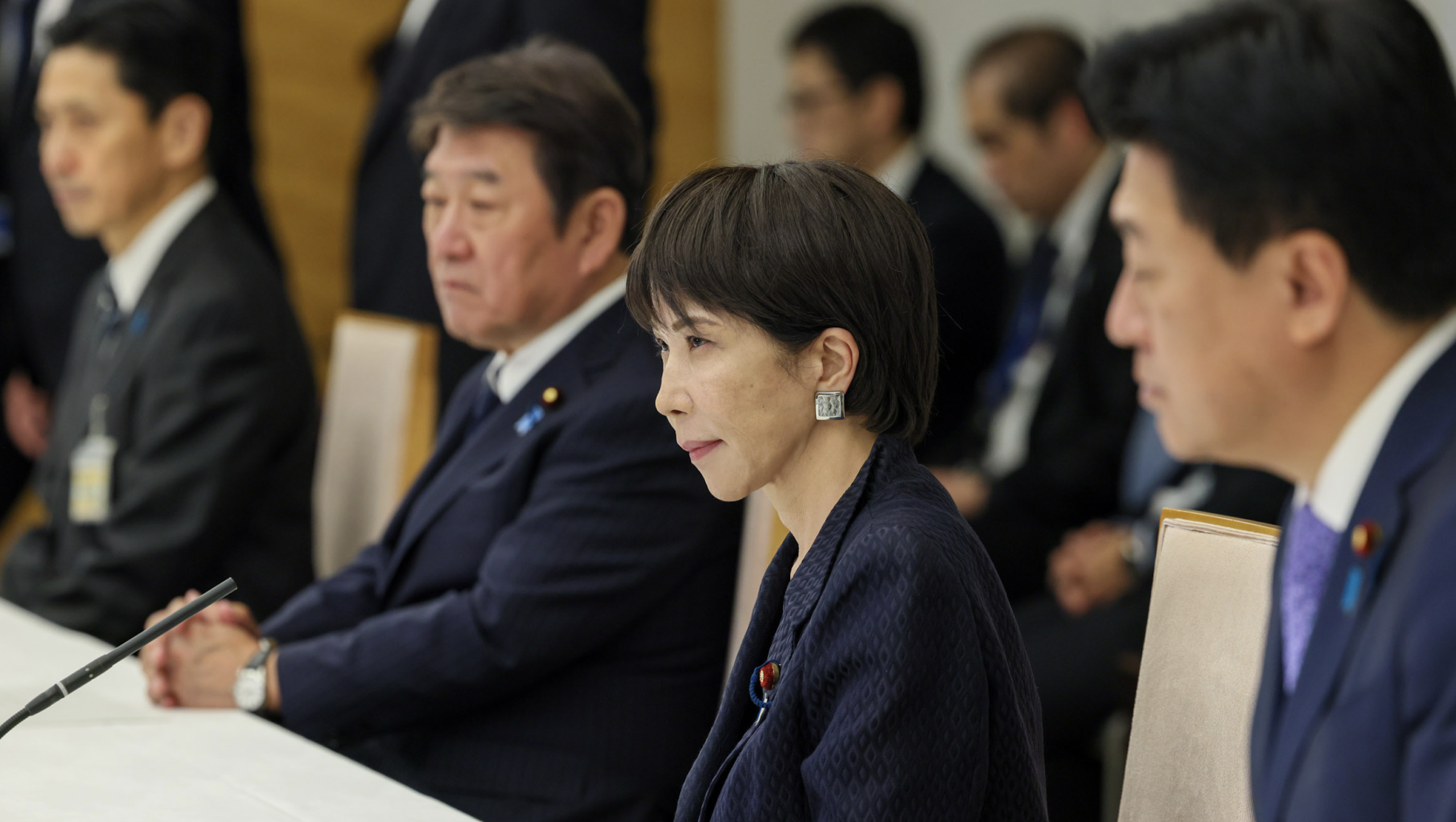
Japan’s cabinet has approved a record-high initial budget of 122.3 trillion yen (about $785 billion) for the fiscal year starting April 2026, underscoring Prime Minister Sanae Takaichi’s strategy of using expansive fiscal policy to support economic growth even as borrowing costs rise. The plan features a sizable increase in defense spending and higher debt-servicing costs, and will now be sent to parliament for approval.
Why It Matters
The draft budget—Japan’s largest-ever initial spending plan—comes at a time of mounting concern over the country’s long-term fiscal health and rising interest rates. Japan already has one of the highest public debt burdens among advanced economies, and the combination of aggressive stimulus measures, increased defense outlays, and higher bond yields is drawing scrutiny from markets and policymakers.
The benchmark 10-year Japanese government bond (JGB) yield climbed to around 2.1% this week, its highest level in nearly 27 years, amid expectations of further interest-rate hikes by the Bank of Japan. The rise in yields directly feeds into the government’s debt-servicing bill, putting pressure on future budgets.
What to Know
The government adopted the draft budget on Friday, setting out spending priorities for the fiscal year ending March 2027. Key elements include:
- Total spending:
The initial budget amounts to 122.3 trillion yen, surpassing the current fiscal year’s 115.2 trillion yen and setting another record for an opening budget size. - Defense allocation:
The plan includes 8.8 trillion yen in defense spending, continuing Japan’s recent trend of expanding its defense budget in response to a more challenging regional security environment, including concerns over China, North Korea, and broader Indo-Pacific tensions. - Debt-servicing costs:
Debt-service expenditures—covering interest payments and redemptions on government bonds—are projected to rise to 31.3 trillion yen in the next fiscal year, up from 28.2 trillion yen in fiscal 2025.- The assumed interest rate used for calculating these costs has been raised to 3%, up from 2% previously, reflecting expectations of a higher-rate environment.
- Bond issuance and fiscal reliance on debt:
The Ministry of Finance expects new bond issuance of 29.6 trillion yen for the next fiscal year.- That is slightly above the 28.6 trillion yen in the current year’s initial budget but remains below 30 trillion yen for the second straight year, a level viewed by officials as a symbolic threshold for fiscal discipline.
- The bond dependency rate, which measures the share of total spending financed by newly issued government bonds, is projected to fall to 24.2%from 24.9% in the current year.
- Policy stance:
Prime Minister Takaichi has framed the plan as a form of “responsible and proactive fiscal policy,” aimed at backing growth while navigating inflation, wage dynamics, and post-pandemic recovery needs.
What People Are Saying
Government officials are emphasizing that, despite the record headline figure, the budget remains within what they describe as sustainable fiscal parameters.
- Finance Minister Satsuki Katayama has argued that key indicators, such as the bond dependency rate, demonstrate that Japan’s fiscal conditions are still manageable and not indicative of uncontrolled spending. She has pointed to the decline in reliance on new bond issuance relative to total expenditures as evidence of this stance.
At the same time, market participants and analystshave become more wary:
- The recent rise in JGB yields suggests that investors are reassessing the balance between Japan’s large-scale fiscal stimulus measures, including a recently announced major economic package, and the country’s long-term debt trajectory.
The Takaichi administration rejects characterizations of its budget as reckless, maintaining that growth-supporting measures, defense enhancements, and interest cost adjustments are calibrated responses to Japan’s current economic and security challenges.
What Happens Next
The draft budget will now be submitted to Japan’s parliament (the Diet), where it will be debated, possibly revised, and ultimately put to a vote.
- If passed largely in its current form, the plan will lock in record initial spending for fiscal 2026, including the expanded defense budgetand higher debt-servicing outlays.
- Lawmakers are expected to scrutinize the balance between stimulus and consolidation, the assumptions about interest rates, and the implications for future tax and spending decisions.
The trajectory of interest rates, the yen, and bond markets will likely remain critical factors as investors and policymakers evaluate whether Japan can maintain proactive fiscal support while keeping its large public debt on a sustainable path.


