
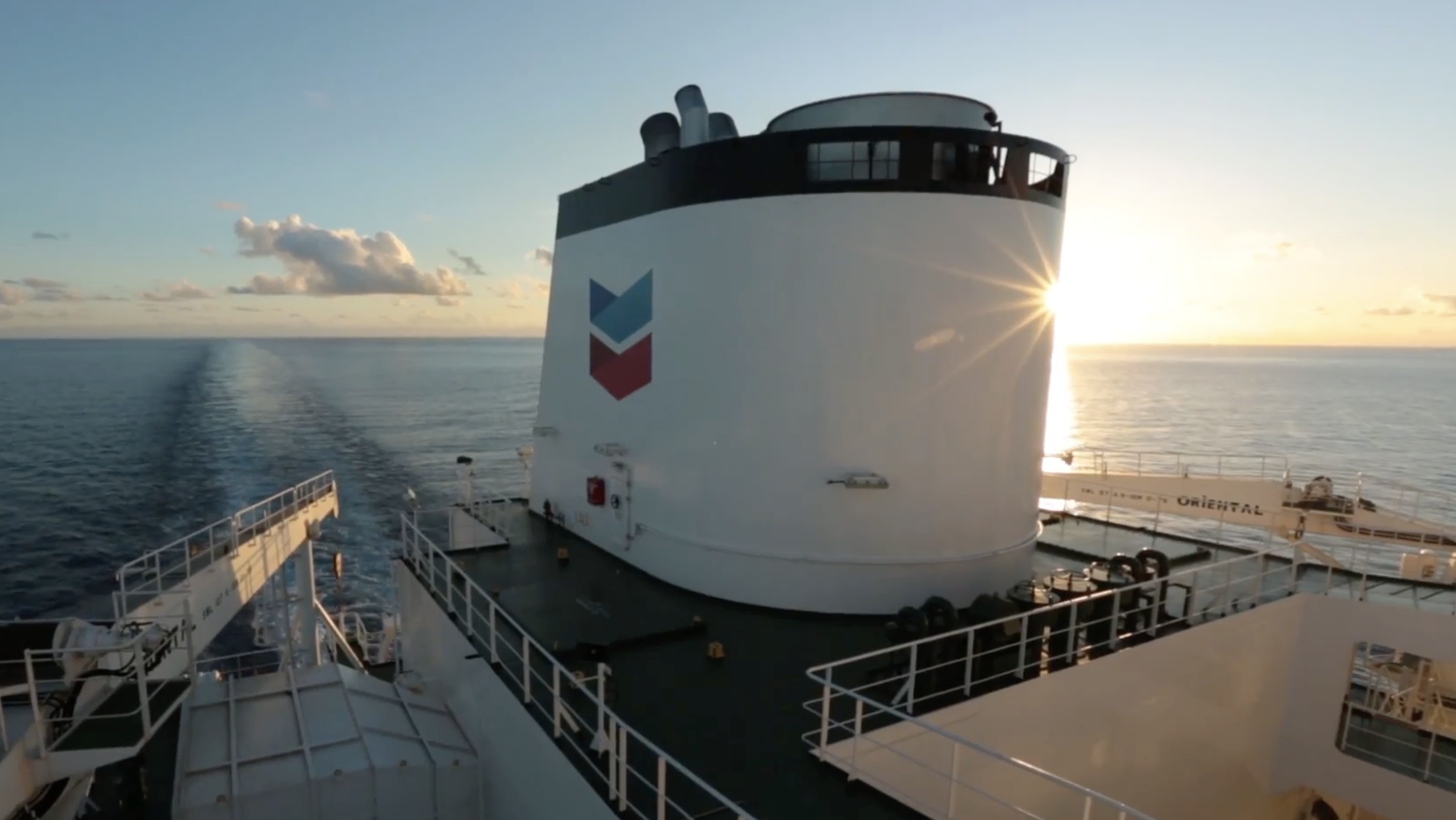
The Trump administration has intensified its economic pressure campaign against the Maduro regime, issuing an executive mandate for a “total and complete blockade” of all sanctioned oil tankers operating within Venezuelan waters. This escalation follows the December 10 seizure of a “shadow fleet” vessel by U.S. authorities, signaling a transition from targeted financial sanctions to active maritime interdiction. The directive places Chevron, the final remaining U.S. energy major in the region, in a complex operational position as Washington seeks to sever the financial lifelines of the Venezuelan state.
The Mechanics of Sanctions Enforcement
The current enforcement framework utilizes high-resolution maritime surveillance and intelligence to disrupt the “shadow fleet”—a network of nondescript tankers used to circumvent international trade restrictions.
- Primary Target: Tankers engaged in the transport of crude oil on behalf of Petróleos de Venezuela, S.A. (PDVSA).
- Seizure Assets: U.S. maritime authorities are empowered to identify and intercept vessels suspected of violating the blockade, as evidenced by the recent impounding of the “Evetin” vessel.
- Operational Footprint: Chevron remains the sole U.S. entity operating in Venezuela through joint ventures with PDVSA. While currently operating under specific U.S. government authorizations, the company manages significant infrastructure linked to the world’s largest proven oil reserves.
- Economic Dependency: Oil exports account for the vast majority of Venezuela’s foreign exchange earnings, making maritime exports the primary variable in the regime’s fiscal stability.
Geopolitical Friction
The transition toward a total blockade represents a strategic pivot in U.S. foreign policy, moving beyond asset freezes toward the physical disruption of energy logistics. By targeting the “ghost ships” that facilitate illicit trade, the White House aims to maximize the “cost of doing business” for the Maduro administration.
This move serves a dual purpose: first, to accelerate the economic isolation of the Venezuelan government, and second, to signal a broader zero-tolerance policy regarding the use of “rogue regime” oil. For Chevron, the environment presents a unique paradox. The company must balance its long-standing operational history in the region—spanning over a century—with a rapidly tightening sanctions regime. Although Chevron reports no current disruption to its activities, the blockade narrows the corridor of legal operation and increases the reputational and regulatory risks associated with maintaining a presence in a sanctioned theater.
Navigating Enforcement Limits
The effectiveness of a total blockade is contingent upon the availability of naval assets and the political durability of the enforcement action. Expert analysis suggests that while the U.S. possesses the technical capability to disrupt shipments, the scale of the global “shadow fleet” poses significant logistical challenges.
Vanda Felbab-Brown of the Strobe Talbott Center at Brookings notes that while the U.S. has the political will to act, the process is highly resource-consuming. “It would be very resource-consuming for the U.S. to seize every ship or locate them,” Felbab-Brown observed, highlighting the friction between policy goals and operational reality.
Conversely, Benjamin Jensen of the Center for Strategic and International Studies (CSIS) emphasizes that the blockade strikes at the regime’s existential core. Because the Venezuelan economy is wholly dependent on oil, any disruption to its ability to bypass sanctions constitutes a direct threat to the administration’s survival. Furthermore, Diana Furchtgott-Roth of The Heritage Foundation views the blockade as a deterrent for other international actors. The overarching risk remains whether this escalation will result in a decisive economic shift or initiate a prolonged “cat and mouse” game as the shadow fleet adapts to more sophisticated evasion techniques.


