
US Customs and Border Protection and the Coast Guard deploy specialized tactics and technology to intercept high-speed smuggling vessels in American waters.
Disabling Fire Tactics
CBP Air and Marine Operations agents use “disabling fire”—rapid shotgun blasts aimed at boat engines to stop non-compliant vessels. Agents practice this technique at the National Marine Training Center, where they fire at simulated runaway vessels to disable their propulsion systems without harming occupants.
This tactic has successfully stopped smuggling attempts at sea, particularly when vessels refuse to comply with commands to stop.
High-Speed Interceptor Boats
CBP deploys 41-foot SAFE Boats (Secure Around Flotation Equipped) capable of reaching speeds of 58 knots (66 mph) with a range of 350 nautical miles. These coastal interceptor vessels feature advanced hull designs, safety equipment, and electronics that provide agents with the mobility to pursue and apprehend maritime smugglers.
The Coast Guard also uses 38-foot Deployable Pursuit Boats (DPB) specifically designed to intercept “go-fast” boats—high-speed craft that carry 1,000 to 2,000 kg of illegal narcotics. About 85% of cocaine smuggled through the Caribbean Sea and Eastern Pacific travels on these vessels.
Helicopter Interdiction
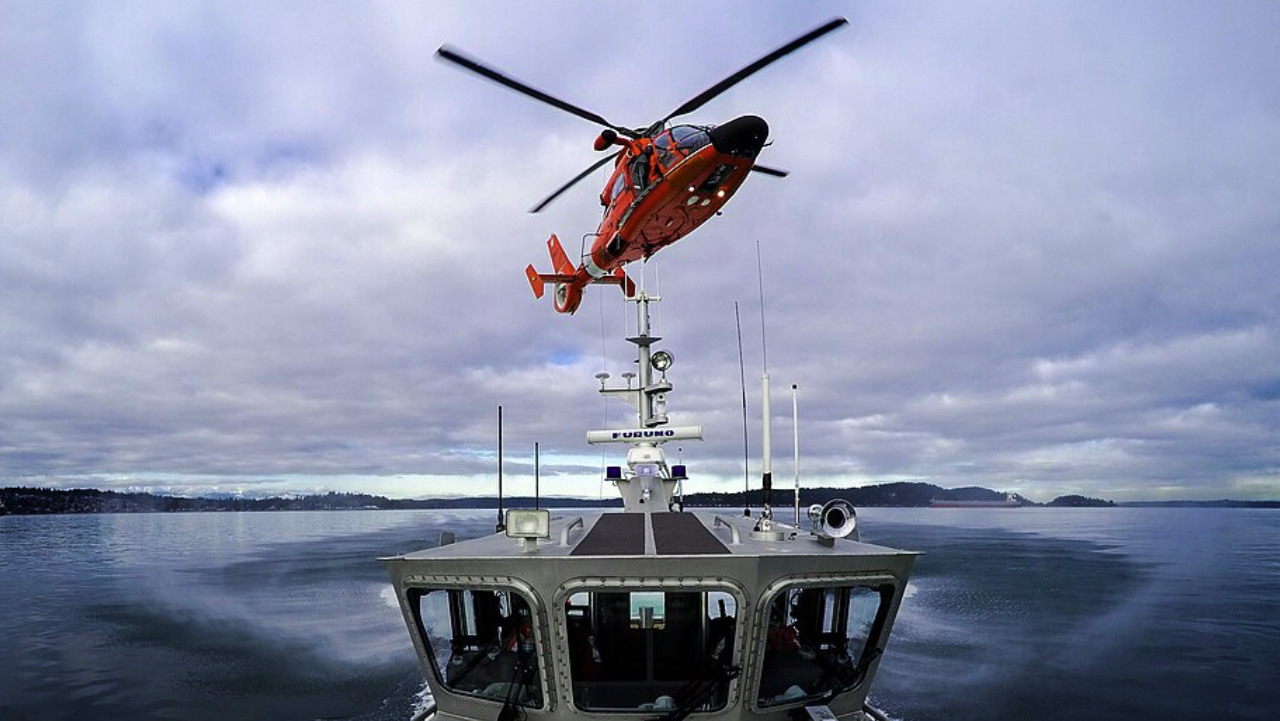
The Coast Guard’s Helicopter Interdiction Tactical Squadron (HITRON) specializes in airborne use-of-force tactics. Marksmen aboard helicopters can disable boat engines from the air, providing a capability that has been operational for over 20 years.
HITRON crews deploy these tactics to stop non-compliant drug runners, often working in coordination with surface vessels to box in fleeing smugglers.
Drone Technology
Unmanned aircraft systems (UAS drones) assist in locating traffickers hundreds of miles offshore. The Coast Guard uses ScanEagle drones launched from catapults on ship decks, allowing surveillance teams to spot suspicious vessels from a control room and vector interceptor boats to their location.
Evolving Threats
Smugglers continue adapting their tactics. A new generation of “low-profile vessels” ride lower in the water for reduced radar signature, are powered by multiple outboard motors, and painted to blend with the sea surface. The Coast Guard intercepted seven such vessels between June and September 2017, seizing over 22,850 lbs of cocaine worth more than $306 million.
Coordinated Operations
CBP’s Air and Marine Operations work together with Coast Guard aviation assets and other federal, state, and local law enforcement to accomplish maritime security missions. This coordination allows aircraft to spot targets and direct surface vessels to intercept, creating a comprehensive net across vast ocean areas.


