
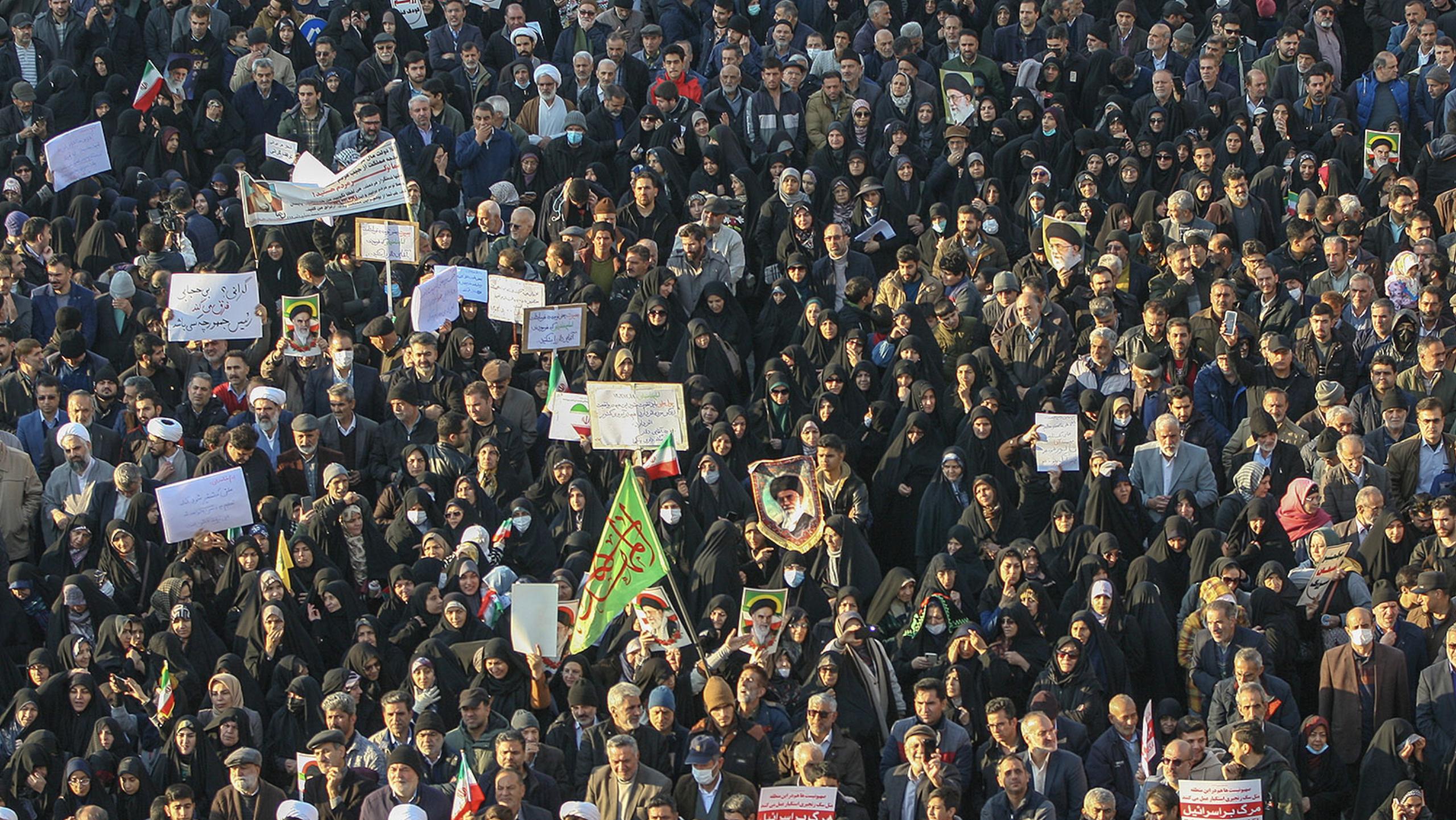
Nationwide protests in Iran have entered their 13th consecutive day, with demonstrators facing severe crackdowns from security forces, including the use of live fire that has resulted in reported fatalities and injuries. Amid an extensive internet blackout, crowds have gathered in major cities after dark, chanting anti-government slogans and defying authorities’ warnings of harsh punishments, including potential executions. The unrest follows a call from exiled Prince Reza Pahlavi for sustained action, while international leaders have expressed concern over the violence.
Protests Continue Amid Heavy Security Presence
Amid the ongoing unrest, reports indicate a sharp increase in fatalities. According to Iranian sources, at least 2,000 people have been killed over the past 48 hours alone, though the true figure may be higher due to the near-total internet blackout. A doctor in Rasht reported that a single hospital received at least 70 bodies, highlighting the intensity of the crackdown. Areas such as Fardis in Karaj, parts of Tehran, and western provinces including Ilam and Kermanshah have seen particularly severe violence. Despite restricted communications, accounts continue to emerge through limited channels such as Starlink, suggesting that large-scale protests and confrontations with security forces are continuing nationwide.
Demonstrations persisted into Friday night across Iran, marking the second evening of renewed street actions in response to Prince Reza Pahlavi’s appeal. Videos and eyewitness accounts confirm gatherings in Tehran, Isfahan, Mashhad, Tabriz, and other cities, even as authorities imposed roadblocks, gunfire, and widespread communication disruptions. These followed large rallies the previous night, which were among the biggest since the protests began.
In Tehran, protesters regrouped in various neighborhoods after nightfall, blocking major roads, setting fire to police vehicles, and shouting slogans such as “Death to the dictator” and “Neither Gaza nor Lebanon, my life for Iran.” Witnesses reported continuous car horns as part of coordinated defiance, while security forces worked to disperse the crowds.
Similar scenes unfolded in Isfahan, where verified footage showed a large crowd chanting “Khamenei is a murderer, his rule is illegitimate,” along with monarchist calls like “Long live the King.” In Mashhad, streets filled with demonstrators proclaiming “This is the last battle, Pahlavi will return,” despite significant security deployments.
Footage from Tabriz captured marchers advancing through the streets amid nearby gunfire, with some disabling surveillance cameras and building barricades. In southern and central cities, crowds targeted symbolic sites, burning banners and posters linked to the Islamic Republic, and stayed out for hours despite internet outages, phone service interruptions, and issues with electronic payments.
Eyewitnesses noted that security forces seemed overstretched in certain areas, resorting to intimidation, warning shots, and force. In southeastern Iran, particularly Zahedan, rights groups reported forces firing directly on protesters after Friday prayers, wounding several. Experts have criticized the internet shutdown as one of the worst in Iran’s history, warning that “people die in the dark” due to such blackouts.
Authorities Escalate Threats and Warnings
Iranian officials have intensified their response, threatening severe legal consequences and attributing violence to protesters. Supreme Leader Ali Khamenei addressed the situation in a televised speech, warning U.S. President Donald Trump of downfall and vowing no retreat from unrest.
“Trump should know that world tyrants such as Pharaoh, Nimrod, Reza Shah and Mohammad Reza were brought down at the peak of their arrogance. He too will be brought down,” Khamenei stated. He added, “Everyone should know that the Islamic Republic came to power with the blood of hundreds of thousands of honorable people, and it will not back down in the face of saboteurs.”
Tehran’s public prosecutor, Ali Salehi, announced that individuals accused of arson, property destruction, or armed clashes with forces could face moharebeh charges, which carry the death penalty. Security chief Ali Larijani blamed “armed protesters” for fatalities and confirmed arrests of alleged ringleaders. The Revolutionary Guards’ intelligence organization declared ongoing protests “unacceptable.”
The Supreme National Security Council accused foreign powers of orchestrating the unrest and promised no leniency for “saboteurs.” In response to the disruptions, education officials shifted schools in several provinces to online classes, citing security and blackout-related issues.
Exiled Prince Calls for Continued Resistance
Exiled Prince Reza Pahlavi has encouraged protesters to maintain their efforts over the weekend, advancing toward central city areas and preparing for extended stays. He advocated for nationwide strikes in key sectors like transportation, oil, gas, and energy to deprive the state of revenue.
Pahlavi highlighted weaknesses in the security forces exposed by the demonstrations and urged supportive military members to defect and hinder repression. He expressed readiness to return to Iran and join the protesters during this critical phase.
Growing International Concern
The international community has ramped up pressure on Iran amid reports of violence. UN human rights chief Volker Türk voiced deep disturbance over the events, calling for independent investigations and the restoration of communications. The European Union denounced excessive force and urged restraint, while France, Britain, and Germany jointly called for the protection of peaceful assembly.
U.S. President Donald Trump issued a warning against killing protesters, stating that Washington is monitoring the situation closely. The State Department advised Tehran not to challenge U.S. resolve. As the crisis deepens into its second week, airlines such as Flydubai and Turkish Airlines have canceled flights to Iran, reflecting the broader global repercussions.


