
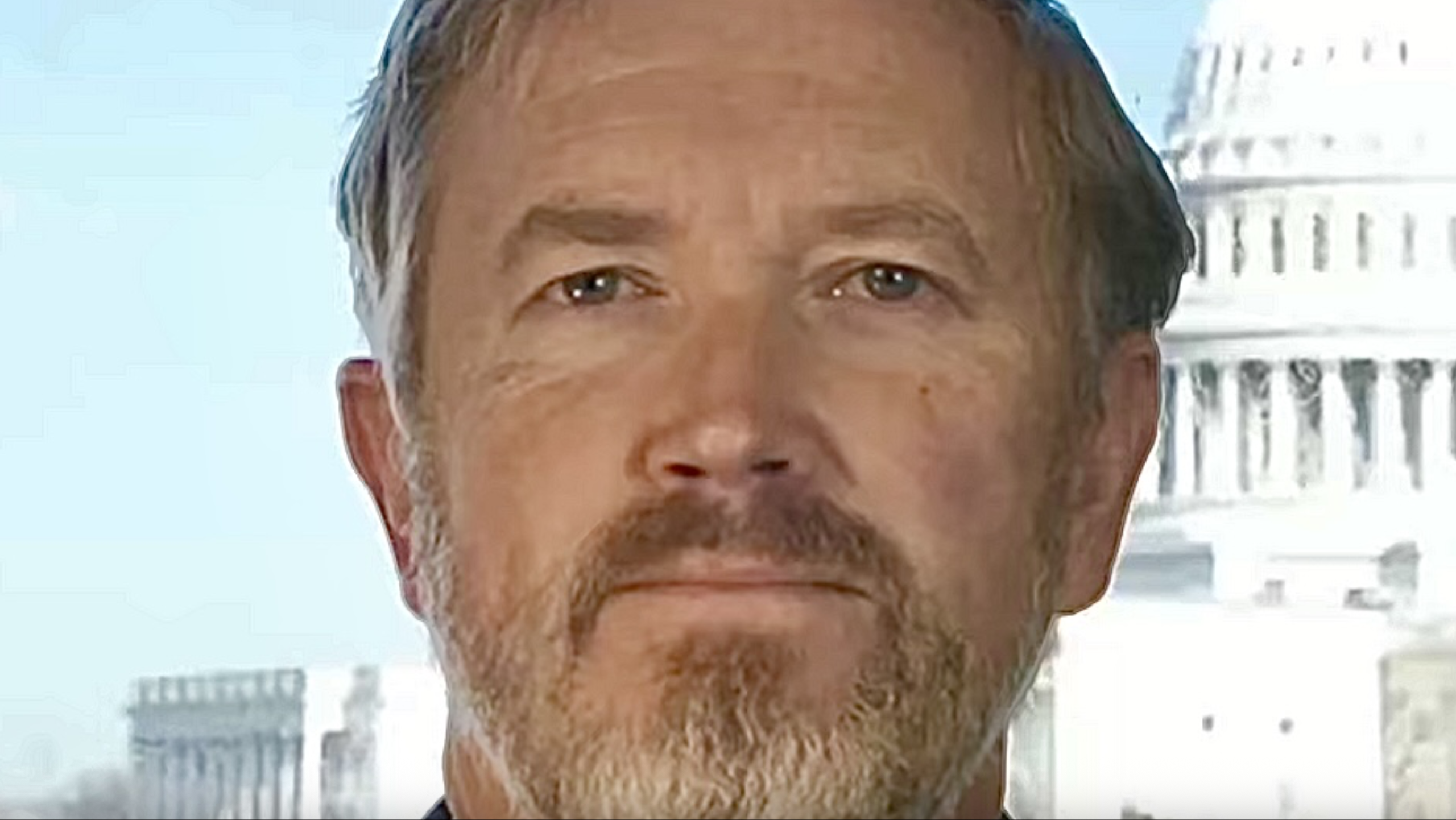
Rep. Thomas Massie suggested that the Trump administration coordinated with major U.S. oil companies ahead of the recent military operation involving Venezuela, arguing that the actions were driven by oil interests rather than national security concerns.
Why It Matters
Massie’s remarks add to a growing debate over whether U.S. military actions tied to Venezuela are being influenced by energy interests. His comments raise questions about the role of private oil companies, the risks faced by U.S. service members, and the broader implications for U.S. foreign policy in resource-rich regions.
What to Know
In a social media post, Massie responded to a recent video of President Donald Trump outlining plans for large U.S. oil companies to enter Venezuela, invest billions of dollars, and repair the country’s damaged oil infrastructure. Trump also stated that the United States was prepared to carry out a “second and much larger attack” if necessary.
Reacting to those remarks, Massie wrote that “it seems obvious” coordination with oil companies had already taken place. He emphasized that the oil at issue belongs to Venezuela, not the United States, and argued that previous Venezuelan governments had canceled risky oil development deals that companies had entered into.
Massie further stated that U.S. soldiers’ lives were being put at risk to increase the profitability of oil companies rather than to benefit American citizens, according to his post shared on X.
What People Are Saying
Massie wrote that the situation involves “Venezuelan oil,” not American oil, and claimed that military action was being used to revive canceled corporate agreements. In a separate post, he reiterated concerns that foreign policy decisions were being shaped by economic interests tied to oil development rather than by clear threats to U.S. security, as seen in his earlier remarks on social media.
What Happens Next
The Trump administration has not publicly responded to Massie’s claims. As developments in Venezuela continue, lawmakers are expected to scrutinize the administration’s stated objectives, the involvement of private industry, and the potential consequences for U.S. military personnel operating in the region.


