
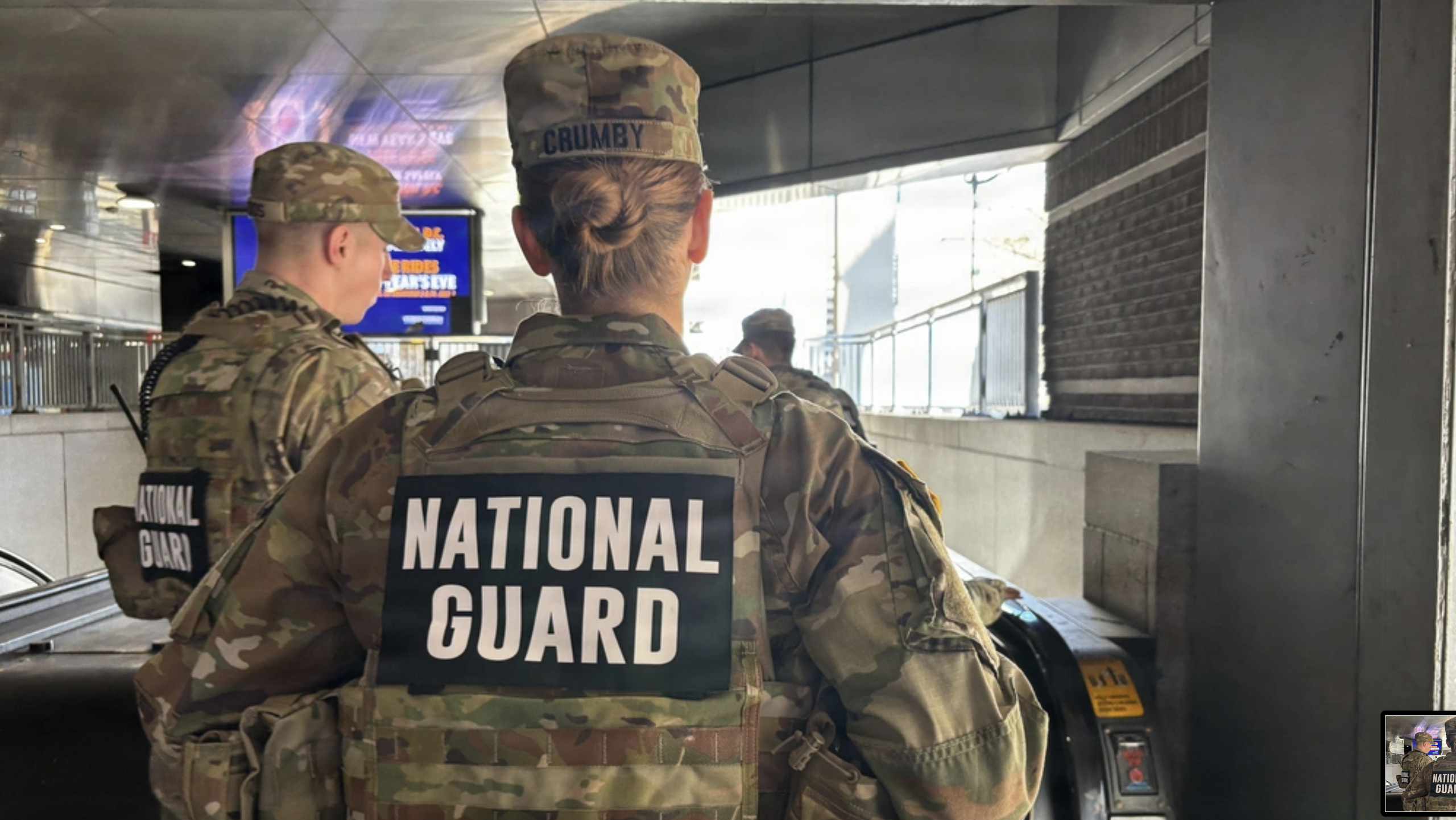
In a significant shift of executive policy, President Donald Trump has announced he will return command of the California National Guard to state authorities, marking a sudden de-escalation in a high-profile standoff with Governor Gavin Newsom. The move reverses an earlier push to federalize state military assets, which had become a flashpoint for constitutional debate regarding the balance of power between the White House and state leaders.
Why It Matters
This decision signals a retreat from the administration’s aggressive stance on utilizing state-level military personnel to address local civil issues and border security without state consent. It effectively resolves a friction point regarding the “militia clause” of the U.S. Constitution and the limits of the Insurrection Act. By returning control to the state, the administration avoids a protracted legal battle over state sovereignty that could have set a lasting precedent for federal intervention in domestic affairs.
What to Know
The policy reversal specifically halts efforts to maintain federal oversight over California’s troops, which had been a point of contention for months. Additionally, the administration is ending attempted deployments that were slated for Portland, Chicago, and Los Angeles. These cities had previously been identified by the administration as targets for federal intervention to address crime and public unrest. According to reports on the negotiations and return of control, the transition effectively reinstates the traditional chain of command where the governor retains the final word on how Guard units are utilized within state borders.
What People Are Saying
Proponents of state rights have characterized the move as a victory for the rule of law and the autonomy of the states. Governor Gavin Newsom’s office has consistently argued that federalizing the guard was an unprecedented overreach of executive authority. Meanwhile, some administration officials suggested that the initial federalization orders had already served their purpose by pressuring local leaders to increase their own law enforcement activities. Civil rights organizations have expressed relief, noting that the presence of federalized troops in urban centers could have escalated tensions rather than diffused them.
What Happens Next
Troops currently under federal orders in California will begin the transition back to state control immediately. Legal experts anticipate that this move will likely pause several pending lawsuits filed by state attorneys general who sought to block federal control of their units. While the immediate threat of federal intervention in cities like Chicago and Portland has passed, the administration has indicated it will continue to look for alternative ways to support local law enforcement through federal grants and Department of Justice resources rather than military deployment.


