
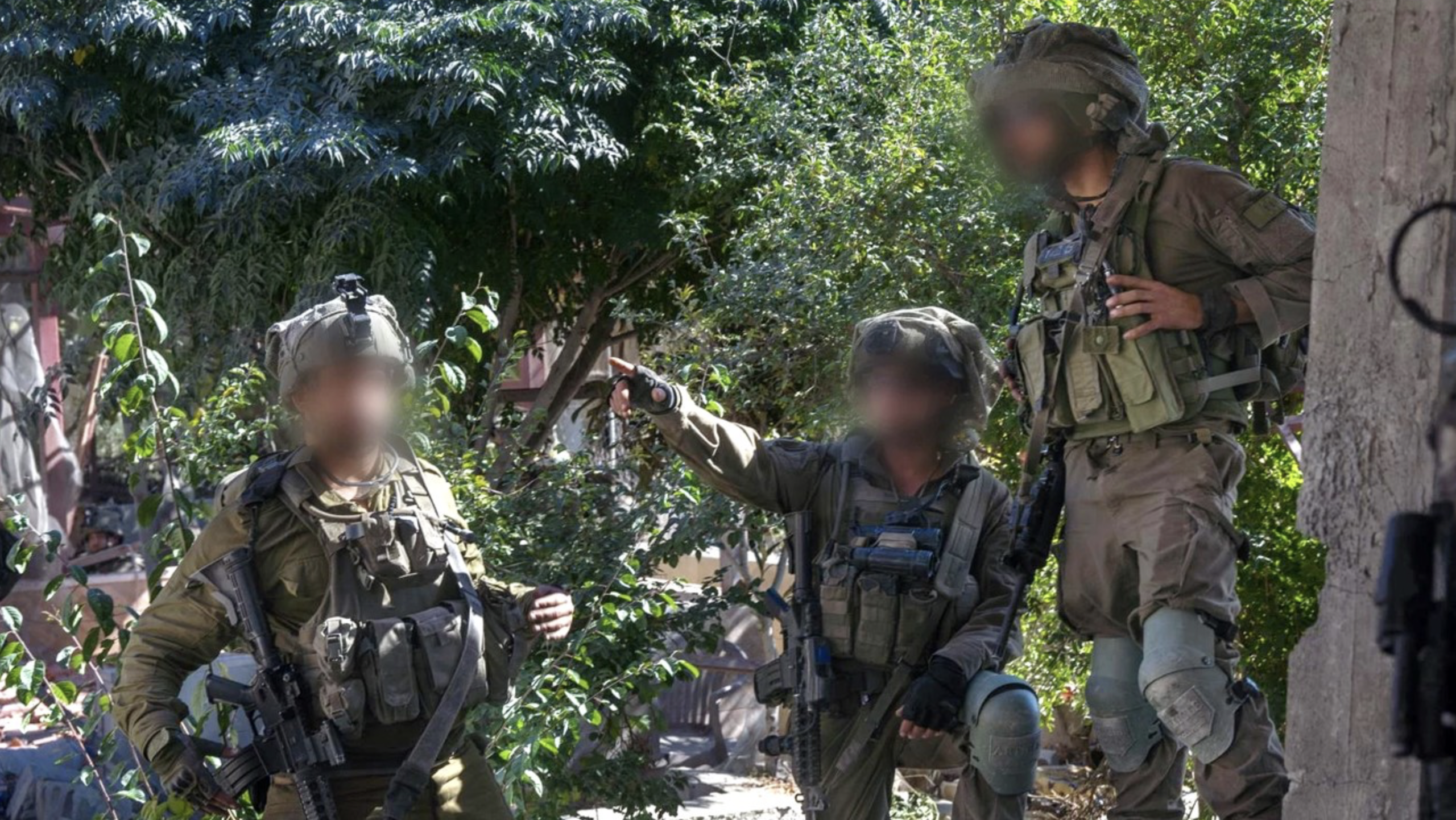
Major General Avi Bluth, the head of the Israel Defense Forces’ Central Command, has issued a stark directive to military units, emphasizing the necessity of immediate readiness for a “surprise war.” The warning followed a large-scale, unannounced inspection of forces stationed throughout the West Bank, intended to test the military’s agility in a rapidly shifting security landscape.
Why It Matters
The Central Command is responsible for the West Bank and the densely populated regions of central Israel—areas that have remained a primary focal point for security operations. Bluth’s insistence on treating a sudden conflict as the “baseline scenario” suggests a strategic shift toward high-intensity combat preparedness, prioritizing the ability to pivot from routine security missions to full-scale warfare without prior notice.
What to Know
The surprise inspection evaluated the operational capacity of three separate battalions across three brigades and two regional divisions. According to official announcements, the drills focused specifically on the implementation of emergency procedures, the integrity of outpost defenses, and the overall fitness of soldiers to perform under high-pressure scenarios.
Bluth characterized these surprise inspections as a “vital tool” for the military hierarchy. By conducting them without warning, commanders are able to identify “gaps before they become root problems,” allowing for a more accurate assessment of the force’s professional foundations during both routine and emergency periods.
What People Are Saying
“The baseline scenario we must prepare for is readiness for a surprise war,” Bluth stated at the conclusion of the drills. He emphasized that the military is currently “required to maintain a high level of preparedness and alertness” while utilizing current timeframes to refine tactical skills.
This push for heightened alertness comes as the IDF manages complex logistics across multiple borders, including the management of operational activity and the rotation of reserve units that have recently seen service in northern sectors like southern Syria.
What Happens Next
The findings from this week’s inspection will be analyzed to sharpen operational standards and strengthen the defensive posture across the entire Central Command. The IDF indicated that the lessons learned will be integrated into future training modules to ensure that units are not only prepared for known threats but are capable of responding to the unexpected. Ongoing assessments are expected to continue as the military seeks to maintain a high degree of flexibility across its various divisions.


