
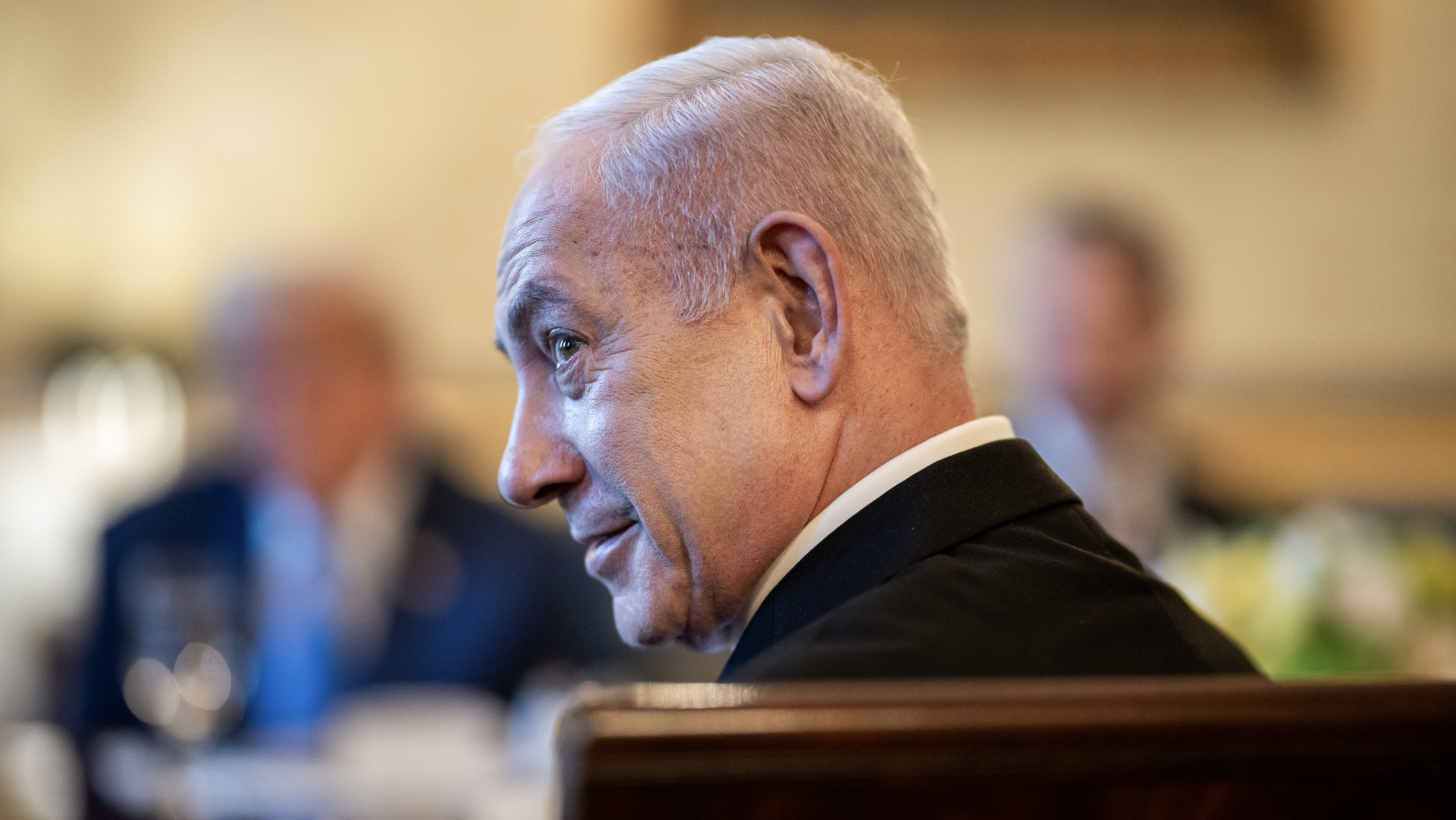
President Donald Trump confirmed on Friday that his administration is evaluating the possibility of reinstating Turkey into the F-35 Lightning II fighter jet program. Speaking during a high-profile meeting with Israeli Prime Minister Benjamin Netanyahu at Mar-a-Lago, Trump indicated that the U.S. is very seriouslyweighing the sale of the advanced aircraft to the NATO ally, despite years of diplomatic friction and concerns regarding regional security.
Why It Matters
The potential sale marks a significant pivot in U.S. foreign policy and defense strategy in the Middle East and Eastern Europe. Turkey, a key NATO member, was officially removed from the F-35 program in 2019 after the government in Ankara proceeded with the purchase of the Russian S-400 air defense system, which Washington argued posed a risk to the stealth jet’s technology. Reintroducing Turkey to the program could reshape the balance of power in the region and test the “qualitative military edge” that the United States has historically guaranteed to Israel.
What to Know
For years, the F-35 program was a cornerstone of U.S.-Turkish defense cooperation until the S-400 acquisition led to Turkey’s expulsion and the cancellation of its order for over 100 jets. However, recent diplomatic shifts have seen a renewed interest in a strategic opportunity to bring Ankara back into the fold. Trump has maintained a cordial relationship with Turkish President Recep Tayyip Erdogan, describing him as a “very good friend” even as Erdogan has frequently criticized Israeli military actions.
To address anxieties regarding the advanced fighter jets, Trump offered a personal guarantee that the technology would not be utilized in a manner that threatens Israel. “I promise they’ll never use them on [Israel],” Trump told reporters, adding that he does not foresee a conflict between the two nations. Despite this assurance, U.S. diplomats have reportedly been engaged in fruitful talks to determine if a technical and political path forward exists.
What People Are Saying
The reaction to the potential deal has been sharply divided. Within Israel, the prospect of a neighboring power acquiring stealth capabilities has raised significant security concerns, as military officials worry about the erosion of their air superiority. Prime Minister Netanyahu has reportedly signaled a fierce pushback against the move, contrasting his opposition to the Turkish deal with a more flexible stance on potential sales to other regional players like Saudi Arabia.
Domestic critics and military analysts in the U.S. argue that Turkey’s continued possession of Russian hardware remains a non-starter for the integrity of NATO intelligence. Meanwhile, some officials in the Israeli security apparatus remain skeptical of verbal promises, seeking concrete guarantees that their regional advantage will remain untouched.
What Happens Next
The path to a final agreement remains complex and will likely require Congressional approval, where the sale is expected to face rigorous debate. Lawmakers will need to decide if Turkey has sufficiently addressed the concerns regarding its Russian defense systems. Furthermore, the administration will have to navigate a delicate balancing act to ensure that any deal with Ankara does not alienate its primary Middle Eastern ally or compromise the sensitive technology that makes the F-35 the world’s most advanced combat aircraft.


