
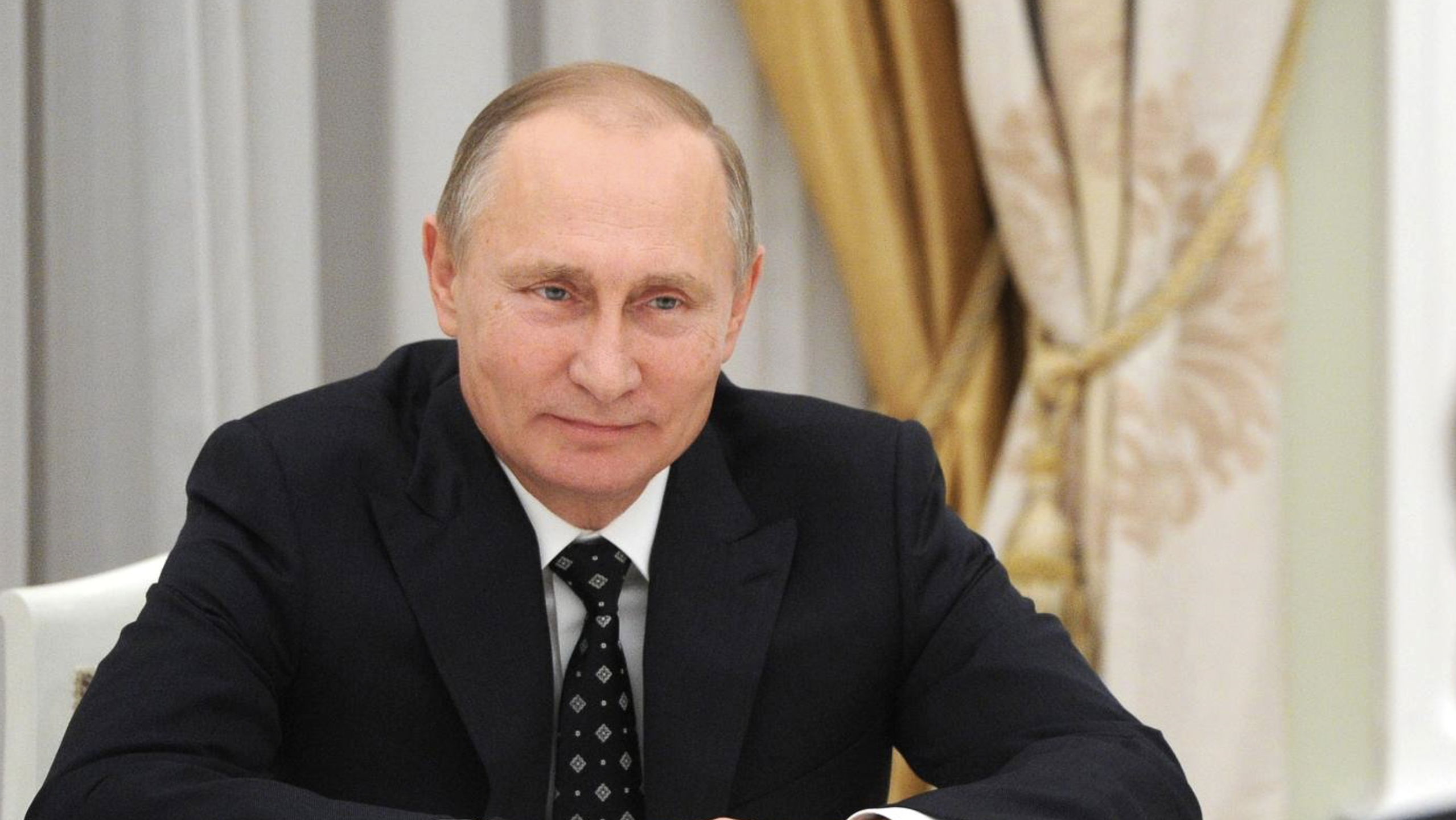
President Vladimir Putin officially signed into law amendments on Monday that grant Russia the authority to disregard criminal judgments issued by foreign and international courts. This legislative shift comes as Moscow faces mounting legal pressure from European and Ukrainian entities seeking accountability for actions taken during the ongoing conflict in Ukraine.
Why It Matters
The move effectively insulates Russian officials and military personnel from international prosecution within Russian borders. By prioritizing domestic legislation over international mandates, the Kremlin is creating a legal firewall against the International Criminal Court (ICC) and potential future tribunals. This development complicates global efforts to enforce international law and seek reparations for war-related damages, signaling Moscow’s intent to remain outside the jurisdiction of Western-led legal initiatives.
What to Know
The amendments specify that Russia can ignore rulings from foreign courts acting on behalf of governments where Russia did not participate in the proceedings. Furthermore, the law targets special tribunals and international bodies whose authority is not rooted in treaties signed by Russia or resolutions passed by the U.N. Security Council.
This legislative change arrives amid several international efforts to penalize Moscow, including:
- The International Criminal Court’s arrest warrants for Putin and five other Russian officials regarding the alleged illegal deportation of children.
- The Council of Europe’s June agreement with Ukraine to form a special tribunal for the crime of aggression.
- The recent launch of an International Claims Commission designed to ensure Kyiv is compensated for hundreds of billions of dollars in infrastructure damage.
What People Are Saying
The Kremlin has dismissed international legal actions as “outrageous” and illegitimate, maintaining that its actions regarding Ukrainian children were humanitarian evacuations from conflict zones rather than illegal deportations. Moscow denies all allegations of war crimes.
On the other hand, Ukrainian officials and European human rights bodies view these international legal mechanisms as essential for justice. Critics of the new law suggest it is an attempt to provide sovereign immunity to Russian leadership at a time when U.S. President Donald Trump is attempting to broker a peace deal between the two nations.
What Happens Next
While the law protects individuals within Russia, it does not prevent the enforcement of warrants or the seizure of assets in countries that recognize the jurisdiction of the ICC or other international bodies. As the International Claims Commission begins assessing damages, the conflict between Russian domestic law and international accountability is expected to intensify. These legal barriers may become a significant point of contention in future diplomatic negotiations or any potential peace settlement.


