
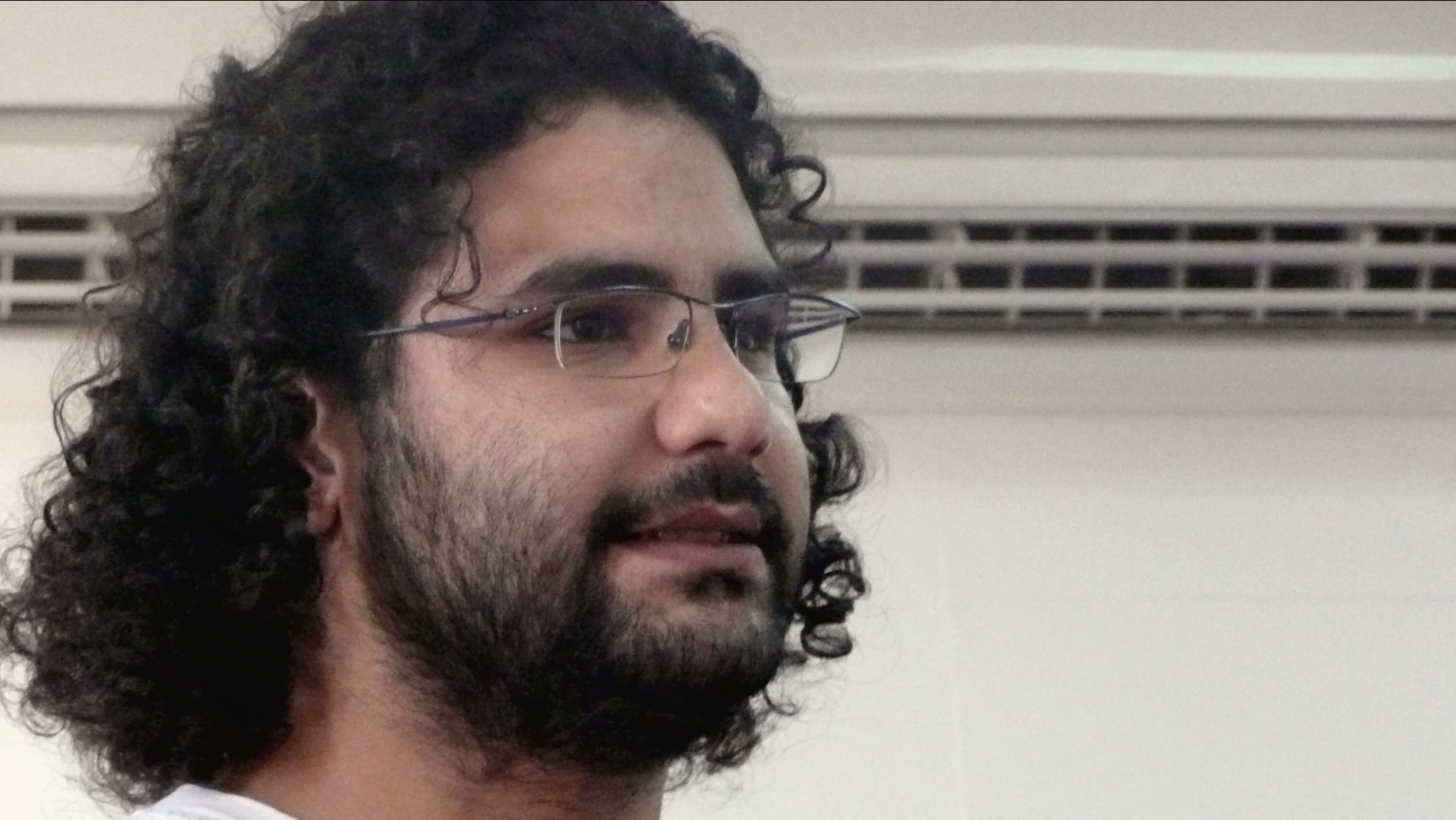
The British government is facing intense scrutiny following the arrival of Alaa Abd El-Fattah, a prominent Egyptian-British activist who was recently pardoned after spending the better part of a decade in prison. While Prime Minister Keir Starmer and senior cabinet members expressed “delight” over his release and return to the UK, the move has sparked a firestorm of criticism. Opponents and community leaders are pointing to a social media history from the activist that includes calls for violence against Zionists, white people, and the British public.
Why It Matters
The controversy highlights a growing tension between the UK government’s commitment to international human rights advocacy and its domestic pledge to combat antisemitism and extremism. The fact that Abd El-Fattah was granted British citizenship in 2021 while incarcerated, coupled with the high-level diplomatic pressure used to secure his release, has led to questions regarding the government’s vetting processes and the consistency of its moral positions.
What to Know
Following a pardon by Egyptian President Abdel Fattah al-Sisi, Abd El-Fattah arrived in the United Kingdom on Friday. Prime Minister Starmer praised the activist’s family for their long-standing campaign, noting that the case had been a “top priority” since his administration took office. Deputy Prime Minister David Lammy also expressed “immense relief” at the outcome.
However, the celebratory tone was quickly met with evidence of Abd El-Fattah’s past rhetoric. Between 2010 and 2014, the activist posted several inflammatory statements on social media, including declarations that “all Zionists are my enemies” and that he rejoiced “when Zionists are killed.” Other posts suggested a desire to use drones to “shoot Zionist weddings” and advocated for the “random shooting of white males” to combat racism. Despite these records—which previously cost him a nomination for the Sakharov Prize for Freedom of Thought in 2014—British officials from both the Labour and Conservative parties have historically championed his cause as a matter of free speech and human rights.
What People Are Saying
The reaction from the British Jewish community has been one of deep concern. The Jewish Leadership Council stated it was “appalled” by the government’s warm welcome, arguing that the celebration of his arrival contradicts Starmer’s promises to root out antisemitism. The Board of Deputies of British Jews also questioned if the activist still holds these violent views, calling for the government to explain what measures will be taken to ensure public safety.
Political opposition has been equally vocal. Reform Party leader Nigel Farage described the situation as evidence of a government that continues to get “worse,” while Conservative MP Robert Jenrick wrote to the Prime Minister questioning his commitment to public order. Jenrick specifically highlighted Abd El-Fattah’s 2011 calls to “burn the city or Downing Street.”
What Happens Next
The government now faces pressure to clarify whether they were aware of the full extent of Abd El-Fattah’s rhetoric before advocating for his repatriation. Critics are calling for a review of what the Board of Deputies termed a “broken system” regarding the due diligence of conferring citizenship and diplomatic intervention. As Abd El-Fattah begins his life in Britain, the Starmer administration will likely be pushed to issue a formal condemnation of his past statements to appease those who feel the government’s “delight” was misplaced.


