
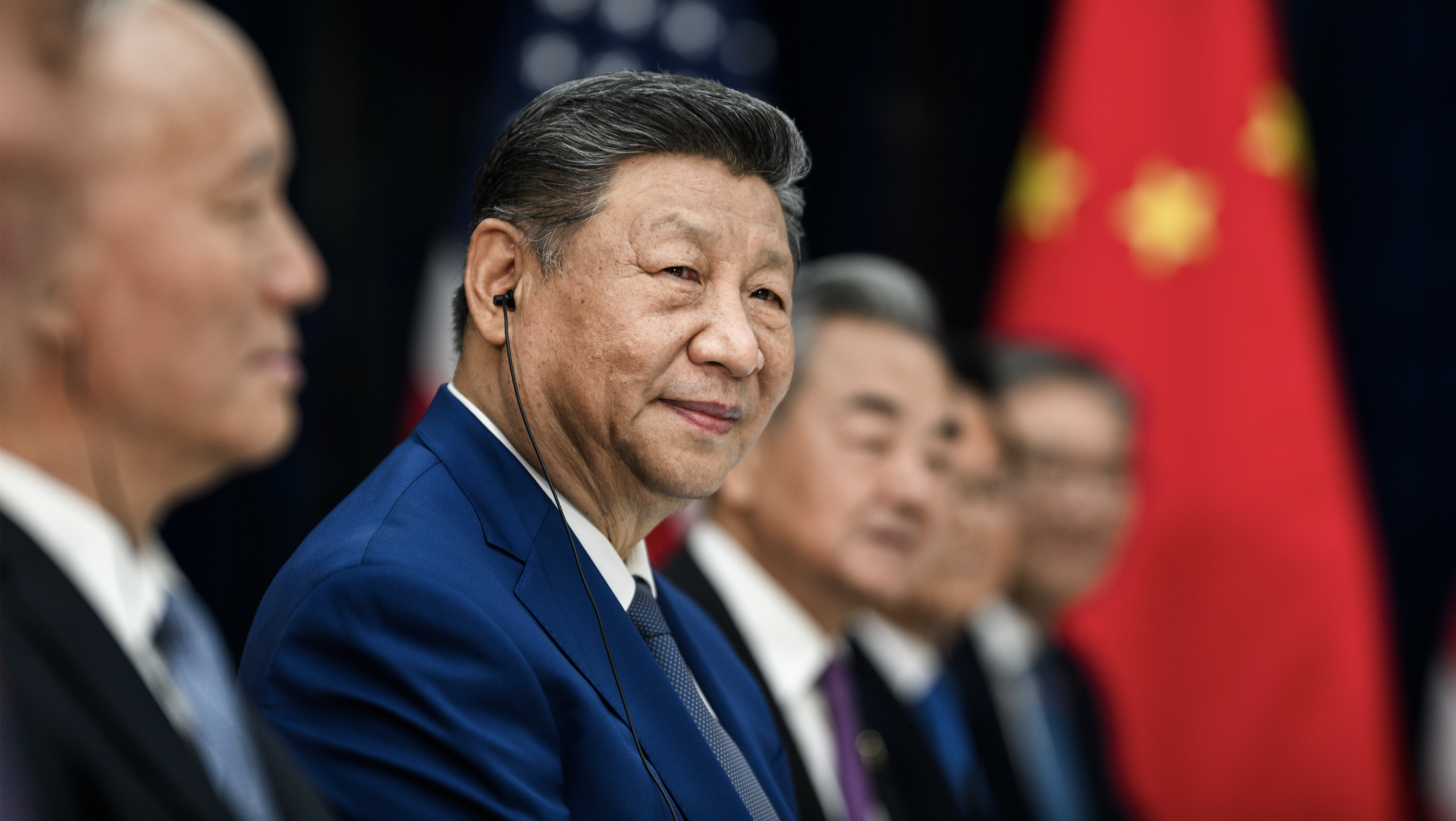
Beijing has imposed sanctions on 20 U.S. defense companies and 10 executives in response to a recently approved U.S. arms package for Taiwan. The move comes amid growing tensions over the self-ruled island and follows Washington’s announcement of the $11.1 billion sale, which includes missile launchers and artillery systems.
Sanctions Details
China’s foreign ministry announced that the sanctions include freezing the assets of the targeted companies in China, barring the companies and executives from conducting business in the country, and prohibiting the sanctioned individuals from entering mainland China, Hong Kong, and Macau. Executives affected include Palmer Luckey, founder of Anduril Industries, while companies include Northrop Grumman and Boeing’s defense unit in St. Louis.
“We stress once again that the Taiwan question is at the very core of China’s core interests and the first red line that must not be crossed in China–U.S. relations,” the ministry said in a statement. “Any company or individual who engages in arms sales to Taiwan will pay the price for the wrongdoing.”
Context of U.S. Arms Sales
The arms package, if approved by Congress, would be the largest-ever sale of U.S. weapons to Taiwan. It includes HIMARS missile launchers, howitzers, and the Barracuda 500 autonomous cruise missile, jointly manufactured by Anduril and Taiwan’s National Chung-Shan Institute of Science and Technology.
The United States is legally obligated to assist Taiwan’s self-defense under the Taiwan Relations Act of 1979, which has guided all administrations since its enactment.
Rising Tensions in the Taiwan Strait
China views Taiwan as part of its territory and has increased military activity near the island in recent years, conducting near-daily drills with fighter jets and warships. Beijing has warned that U.S. arms sales violate diplomatic agreements and interfere in China’s internal affairs.
The sanctions are largely symbolic because U.S. defense contractors conduct minimal business in China, but they underscore Beijing’s determination to assert its claims over Taiwan and signal to the international community that arms sales to the island will not be tolerated.
Geopolitical Implications
Analysts warn that Taiwan remains a major flashpoint in U.S.–China relations. The sanctions follow other tensions, including trade disputes, technology restrictions, and human rights concerns. Both sides continue to navigate a complex balance between strategic competition and avoiding direct military conflict.
The Trump administration is scheduled to meet with Chinese leader Xi Jinping in April, signaling ongoing high-level engagement even amid rising tensions.


