
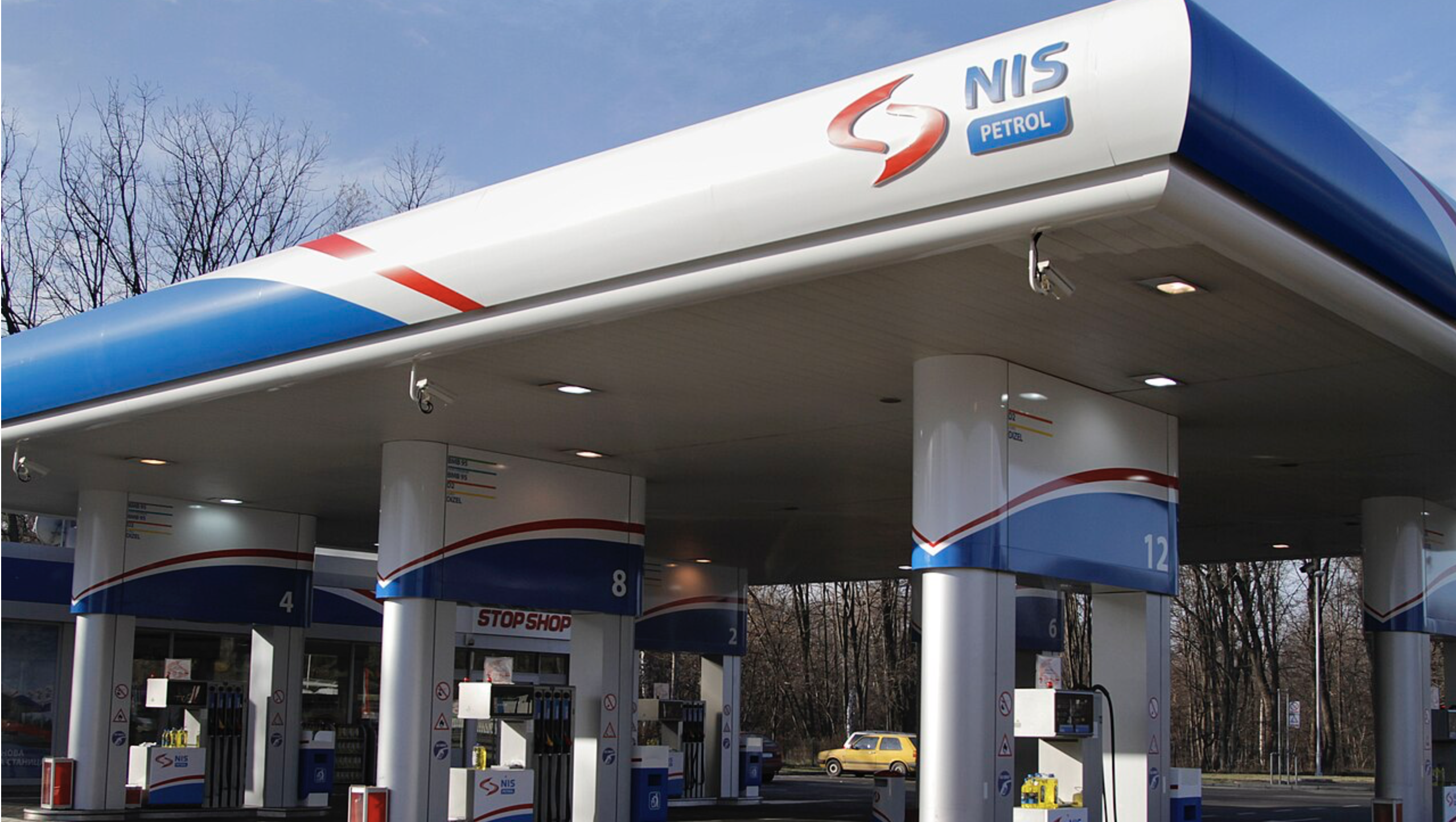
The Serbian government has signaled its official backing for ongoing negotiations between Russian energy giants and Hungary’s MOL Group regarding the sale of a majority stake in Serbia’s national oil company, NIS. The move comes as the Balkan nation seeks a pathway to lift crippling U.S. sanctions imposed on the firm due to its Russian ownership structure.
Why it Matters
The potential sale of NIS (Naftna Industrija Srbije) is critical for Serbia’s energy security and economic stability. NIS operates the country’s sole oil refinery in Pancevo, which has been forced to halt production. The shutdown occurred after sanctions blocked crude oil supplies from flowing through the JANAF pipeline in Croatia.
Resolving the ownership issue is the only viable path to removing these restrictions. With the refinery offline, Serbia faces significant energy vulnerabilities. A successful acquisition by Hungary’s MOL could transfer ownership from sanctioned Russian entities to an EU-based partner, potentially restoring the flow of crude oil and stabilizing the region’s energy infrastructure.
What to Know
According to reports from the Tanjug news agency, Serbian Energy Minister Dubravka Djedovic Handanovic confirmed that the state is actively facilitating the dialogue. “The Hungarian government supported those talks, and we, as the government … will also provide support to find a solution for the removal of sanctions,” Djedovic Handanovic stated.
Currently, Russian entities hold a controlling interest in the Serbian firm. Gazprom Neft owns a 44.9 percent stake, while its parent company, Gazprom, holds another 11.3 percent. The Serbian government retains 29.9 percent, with the remaining shares divided among employees and small shareholders.
The pressure to sell intensified in October when the U.S. Department of the Treasury’s Office of Foreign Assets Control (OFAC) imposed sanctions on NIS as part of broader measures targeting Russia’s energy sector. These sanctions ended a series of waivers that had been in place since January, effectively cutting off the refinery’s ability to operate.
What People are Saying
Serbian leadership has been transparent about the negotiations. On Tuesday, Serbian President Aleksandar Vucic publicly acknowledged that MOL was engaged in discussions with the Russian shareholders regarding a possible acquisition.
The focus remains on regulatory compliance and restoring operations. By supporting the talks, Minister Djedovic Handanovic emphasized the government’s role in finding a “solution for the removal of sanctions,” indicating that Belgrade views a change in ownership as a diplomatic and economic necessity rather than just a commercial transaction.
What Happens Next
The clock is ticking for a deal to be finalized. On Wednesday, OFAC granted NIS a specific window—until March 24—to negotiate the divestment of the Russian stakes.
However, the U.S. Treasury did not approve an operating license during this interim period. This means that while negotiations can proceed, NIS remains unable to buy or process crude oil. Consequently, the Pancevo refinery will remain offline until a sale is concluded and approved by Western regulators, or until the sanctions regime is otherwise amended.


