
Ukraine has secured a new wave of long-term defence support from Germany, with fresh agreements worth more than €1.2 billion. Prime Minister Denys Shmyhal, who also oversees the defence portfolio, outlined the deals as part of a broader push to lock in predictable backing for Ukraine’s armed forces over the coming year.
The new package, reported by Ukrainska Pravda, focuses on sustaining and scaling Ukraine’s existing capabilities rather than headline-grabbing one-off deliveries. At its core are arrangements to keep key air defence systems, artillery, and electronic warfare assets in the fight for the long haul.
Patriot support and industrial depth
One of the central pillars of the agreements is a long-term framework for supplying spare parts for Ukraine’s Patriot systems. With Russian strikes continuing against cities and infrastructure, the ability to repair, modernise, and restore these high-end air defence batteries quickly is as important as having them on the ground in the first place.
By locking in a steady flow of components, Kyiv and Berlin are betting on greater resilience: fewer gaps in coverage, faster turnarounds for damaged launchers and radars, and a deeper, more sustainable maintenance pipeline to protect Ukrainian cities and critical infrastructure.
UAVs and artillery on a new chassis
Alongside air defence, the agreements include a major investment in Ukrainian-made unmanned systems. Germany is set to purchase Ukrainian UAVs worth €200 million, giving local manufacturers both a financial lifeline and a clear demand signal to expand production.
Artillery is another big-ticket item. A dedicated project will fund the production of 200 Bohdana self-propelled howitzers mounted on the new Zetros chassis, with a total value of €750 million. The combination of a proven Ukrainian gun system and a modern platform should make it easier to field more mobile, survivable artillery units able to keep up with frontline manoeuvres.
Joint UAV production and electronic warfare
The deals also deepen industrial cooperation. Ukrainian firm Frontline Robotics and German company Quantum Systems will jointly produce Ukrainian Linza UAVs, a step that pushes the partnership beyond simple purchases and into genuine co-production. These Linza drones are designed to expand tactical reconnaissance, giving Ukrainian units more eyes in the sky at the brigade and battalion level.
In parallel, Ukraine has secured contracts to ensure uninterrupted deliveries of cutting-edge electronic warfare systems for tactical use. That steady pipeline is critical in a battlefield environment where both sides are racing to jam, spoof, and protect communications, GPS, and drone links.
Strategic commitments for 2026
Shmyhal stressed that the agreements sit within a larger political and financial commitment hammered out between President Volodymyr Zelenskyy and German Chancellor Friedrich Merz. Berlin has pledged €11.5 billion in support for Ukraine next year, a figure that reflects Germany’s intent to remain a central backer in both military and economic terms.
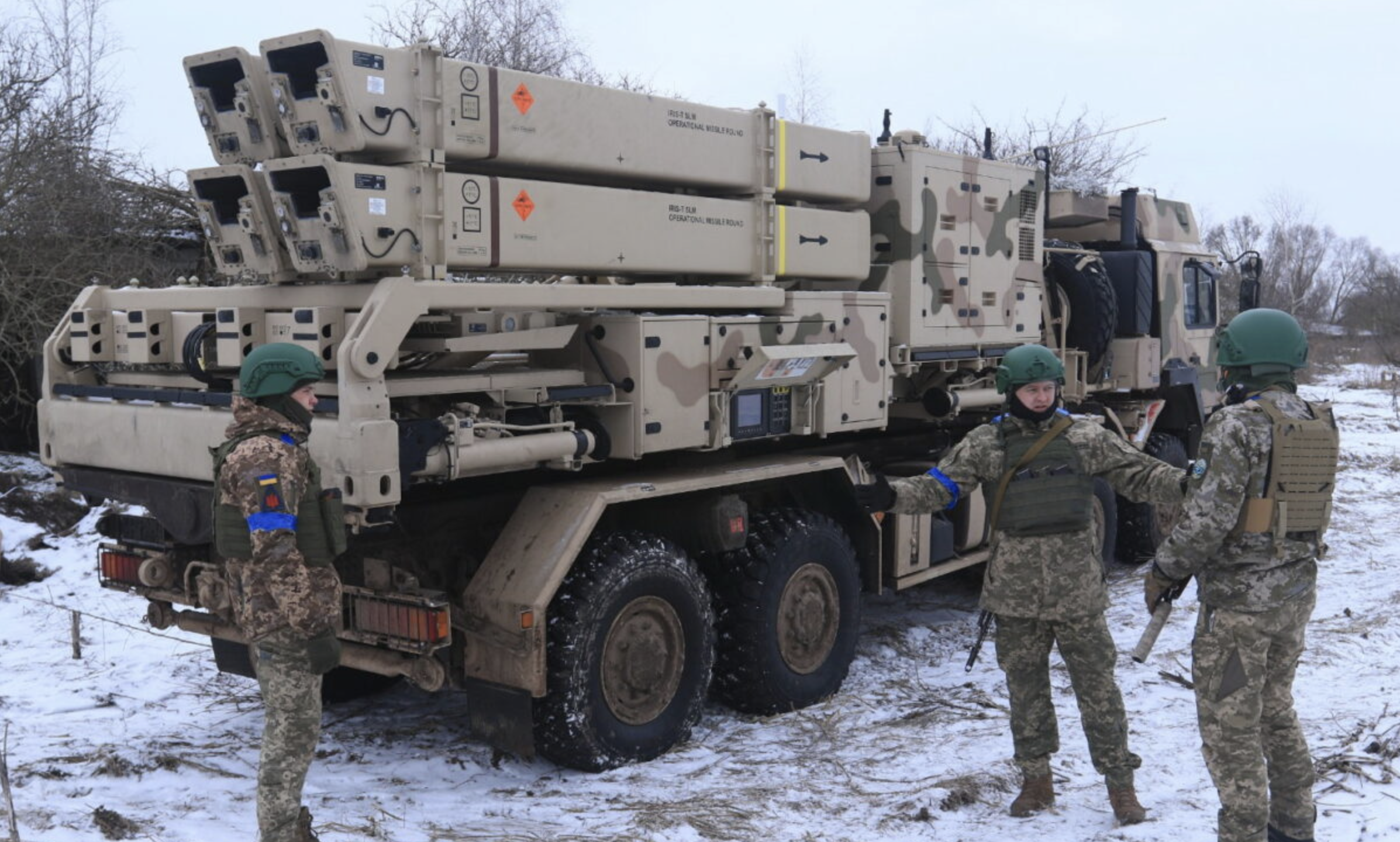
Shmyhal expressed particular gratitude to Defence Minister Boris Pistorius for laying out the support package at the latest Ramstein-format meeting, where partners coordinate military aid. He highlighted the transfer of two additional Patriot systems and a ninth IRIS-T battery as crucial contributions to defending Ukrainian cities and strengthening European security.
Wider Ramstein context
The agreements come against the backdrop of a broader push among partners to reinforce Ukraine’s air defence. At the same Ramstein meeting, Pistorius outlined plans to transfer Sidewinder missiles to bolster Ukraine’s ability to intercept incoming threats. UK Defence Secretary John Healey also announced the largest single-year British investment so far, a £600 million package aimed squarely at strengthening Ukraine’s air defence network.
Taken together, the new commitments described by Ukrainska Pravda suggest that Ukraine and Germany are moving beyond ad hoc aid announcements and toward a more structured, industrial-scale partnership designed to keep Ukraine’s war effort supplied deep into 2026.


