
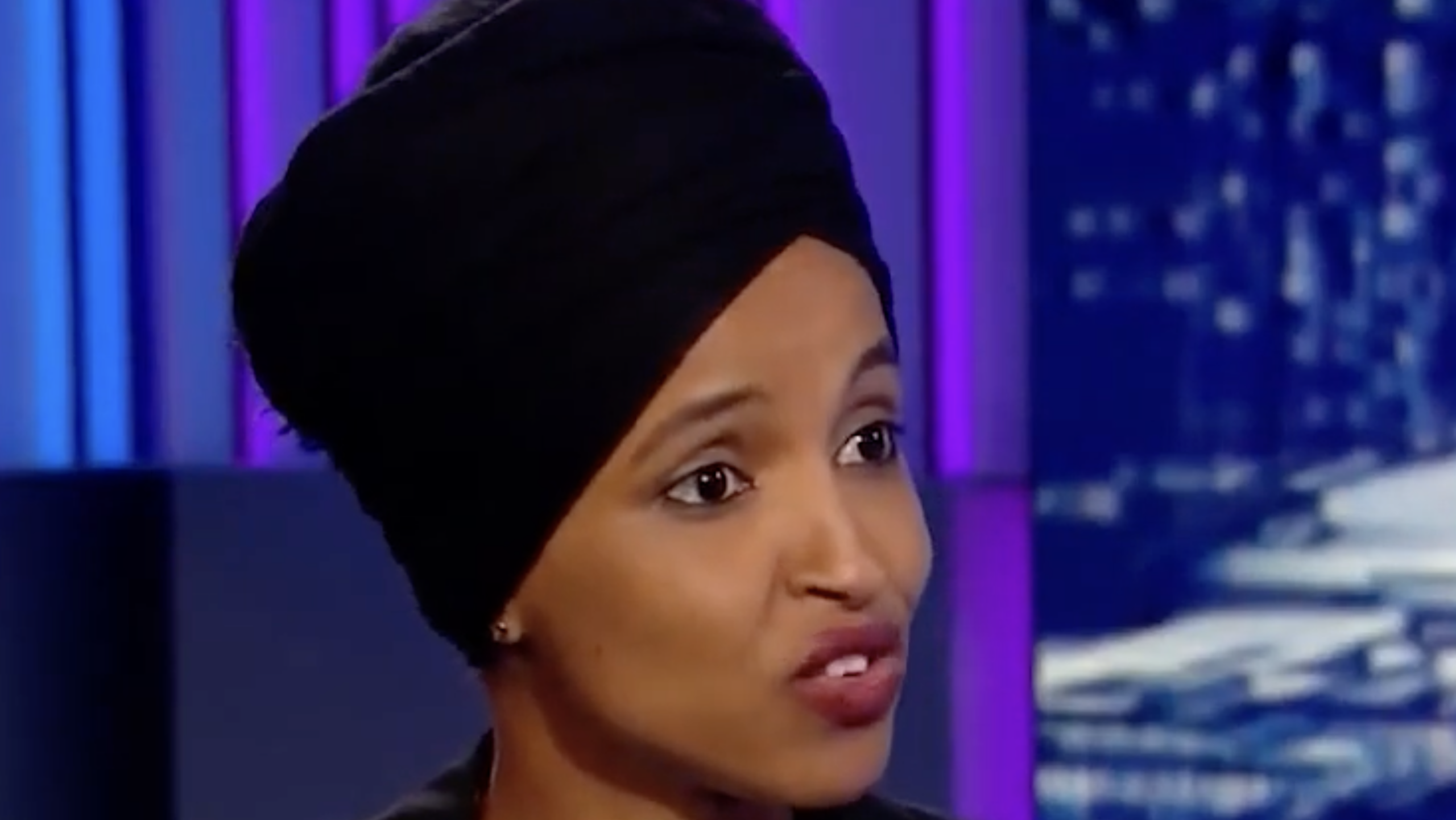
A resurfaced video of Rep. Ilhan Omar delivering remarks to a Somali audience in 2024 has once again drawn national attention, fueling debate about her priorities as a U.S. lawmaker and her ties to her country of birth. The video features Omar, the Minnesota Democrat and Somali-born congresswoman, addressing Somali Americans about their influence in U.S. policy and the protection of Somalia’s interests. In the speech, she said:
Ilhan Omar: "The U.S. government will only do what Somalians in the U.S. tell them to do. They will do what we want and nothing else. They must follow our orders."pic.twitter.com/ZPey4EqNfN
— Joe Rogan Podcast News (@joeroganhq) December 9, 2025
“My answer to Somalians was, that the US government will only do what Somalians in the US tell them to do! They will do what we want and nothing else. They must follow our orders and that is how we will safeguard the interest of Somalia. We Somalians must have that confidence in ourselves that we call for the shots in the US. We live in the US, pay taxes in the US and have a real voice. The US is a country where one of your daughters (mvself) is in conaress to represent vour interest. for as long as I am in the US Congress, Somalia will never be in danger, its waters (Indian Ocean) will never be stolen by Ethiopia or others. The US would not dare to support anyone against Somalia to steal our land or oceans. Sleep in comfort, knowing I am here to protect the ‘interests of Somalia from inside the US svstem. The woman (myself) you sent to Congress is working day and night to protect your interest. She knows your plight and that of Somalia. I am as concerned about Somalia as you guys are. Together we will protect the interests of Somalia.”
The video has been gaining attention following the February 24, 2026, State of the Union address by President Donald Trump, during which lawmakers were asked to rise if they agreed that “the first duty of the American government is to protect American citizens, not illegal aliens.” Most Democratic representatives remained seated, drawing criticism from the president and his supporters. The moment underscored existing partisan divisions on immigration policy and heightened scrutiny of Omar’s legislative record.
Trump has repeatedly targeted Omar over her Somali heritage and immigration stance. At a recent rally, he questioned her commitment to the U.S. Constitution, contrasting her with immigrants he described as “great people” who come to the country legally. “They are coming in legally, but they cannot come in unless they come in legally into our country, and we are letting some great people come in. They have to show that they can love our country. Not like Ilhan Omar,” he said to a cheering audience.
Trump: They have to show that they can love our country. Not like ilhan Omar. See that wiseguy? She is always talking about the constitution. The constitution. She comes from a country that is a disaster. It is not even a country, ok? It barely has a government. I don't think it… pic.twitter.com/adcccxRYJQ
— Acyn (@Acyn) January 27, 2026
The president has also tied Omar’s background to historical concerns in the Horn of Africa, referencing Somali piracy along the Gulf of Aden and the Indian Ocean. “You think of one thing, pirates. But they don’t do that anymore. Because they get the same treatment from us as the drug dealers get. Boom, boom, boom,” Trump said.
Omar’s remarks and Trump’s criticism highlight the intersection of personal background, international relations, and domestic political controversy. While she frames her comments as advocacy for Somali Americans and the protection of Somalia’s interests, critics argue they raise questions about divided loyalties and the focus of a U.S. lawmaker. Supporters contend Omar is emphasizing her constituents’ engagement in U.S. civic life and her advocacy for international humanitarian concerns.
The resurfacing of the 2024 speech, combined with the response during the State of the Union, has reignited discussions over congressional priorities, allegiance, and the role of diaspora communities in American politics. As the political landscape remains sharply divided, Omar’s comments and Trump’s criticisms continue to fuel debate over the intersection of immigration, national identity, and congressional responsibility.


