
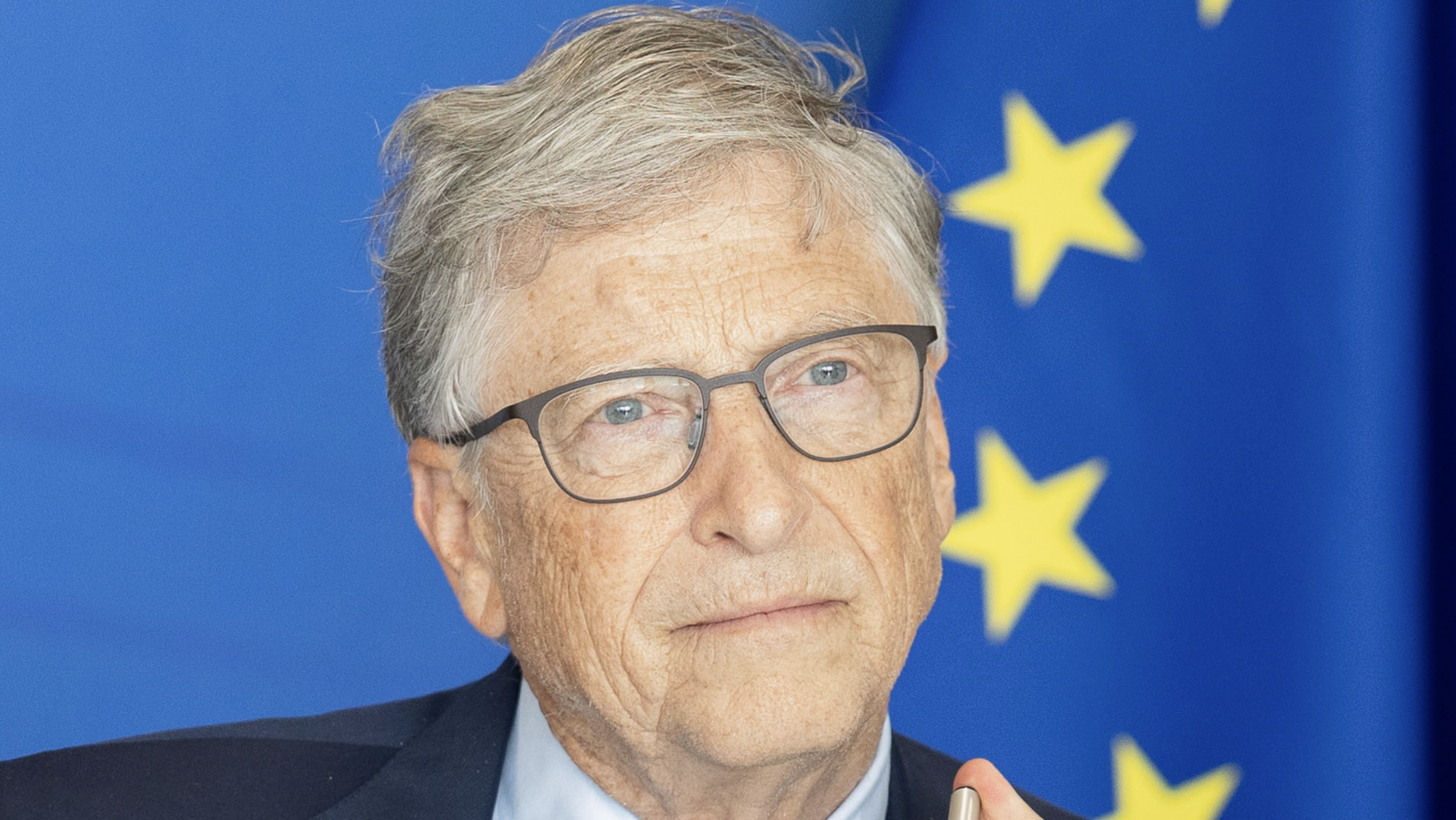
Bill Gates withdrew from the India AI Impact Summit, canceling his keynote address hours before he was scheduled to speak, as renewed scrutiny over his past interactions with the late financier and convicted sex offender Jeffrey Epstein intensified following the release of U.S. Justice Department emails.
— Gates Foundation India (@BMGFIndia) February 19, 2026
The decision came just days after the Gates Foundation had confirmed his attendance, citing the summit’s key priorities as the reason for his absence.
Bill Gates is attending the AI Impact Summit. He will be delivering his keynote as scheduled.
— Gates Foundation India (@BMGFIndia) February 17, 2026
India is a global leader in artificial intelligence, powered by one of the world’s largest AI talent pools, rapid adoption across sectors, and innovation at population scale. Under the… pic.twitter.com/e3v8wXHBXA
The AI Impact Summit, a six-day event designed to position India as a global leader in artificial intelligence governance, had already faced a series of challenges. Organizers dealt with logistical disruptions, complaints about traffic congestion, and controversies over robotics displays at the exhibition halls. Gates’s withdrawal added to a string of high-profile cancellations, including Nvidia CEO Jensen Huang earlier in the week, further complicating the summit’s opening.
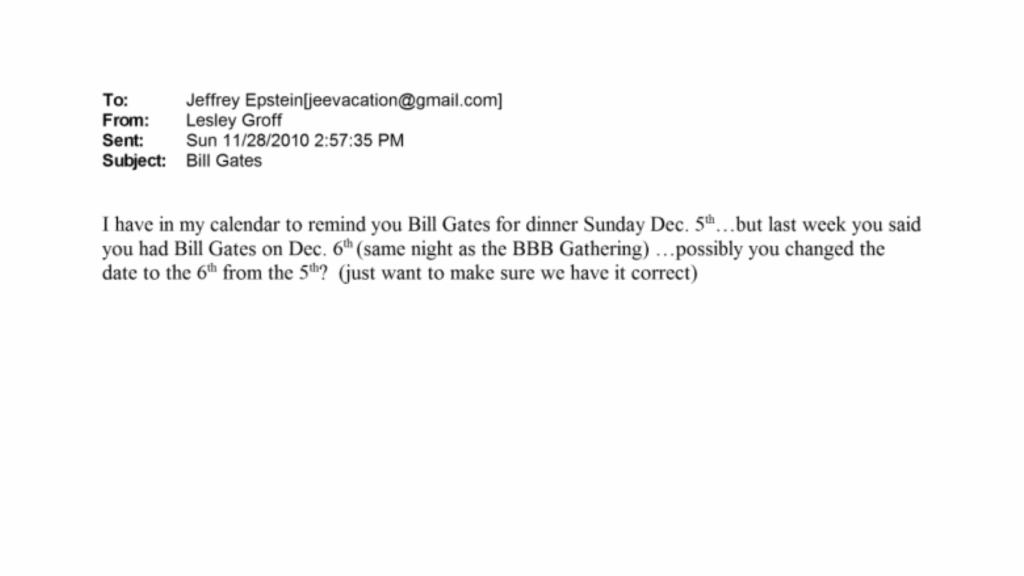
Gates’s cancellation follows the recent public release of millions of pages of emails, messages, and photographs by the U.S. Justice Department that detailed interactions between Gates, his foundation staff, and Epstein. Some documents included Epstein’s personal notes suggesting misconduct, which Gates representatives described as “absolutely absurd and completely false.” Gates has publicly stated that his meetings with Epstein were philanthropic in nature, aimed at raising funds for charitable work, and emphasized that he never visited Epstein’s private island or met any women in that context.
The Gates Foundation named chief strategy officer Ankur Vora as the speaker in place of Gates. The foundation explained that the change was meant to keep attention on the summit’s AI initiatives rather than individual controversies. Gates has maintained a high profile in India, where his foundation supports health and education initiatives, and had been expected to address a gathering of prominent tech leaders, including Google CEO Sundar Pichai.
The summit’s first days were marked by organizational difficulties. Exhibition halls were unexpectedly closed, university researchers were asked to remove displays, and city roads were repeatedly blocked for VIP movement, provoking criticism from attendees and opposition parties alike. Microsoft researcher Jay Gala highlighted the frustration of participants, who faced extended delays despite being the primary contributors to the event’s technical and research content.
While Gates’s absence drew attention, the summit proceeded with investment announcements and international participation, signaling India’s continuing ambitions to assert a global voice in AI governance amid both opportunity and controversy.


