
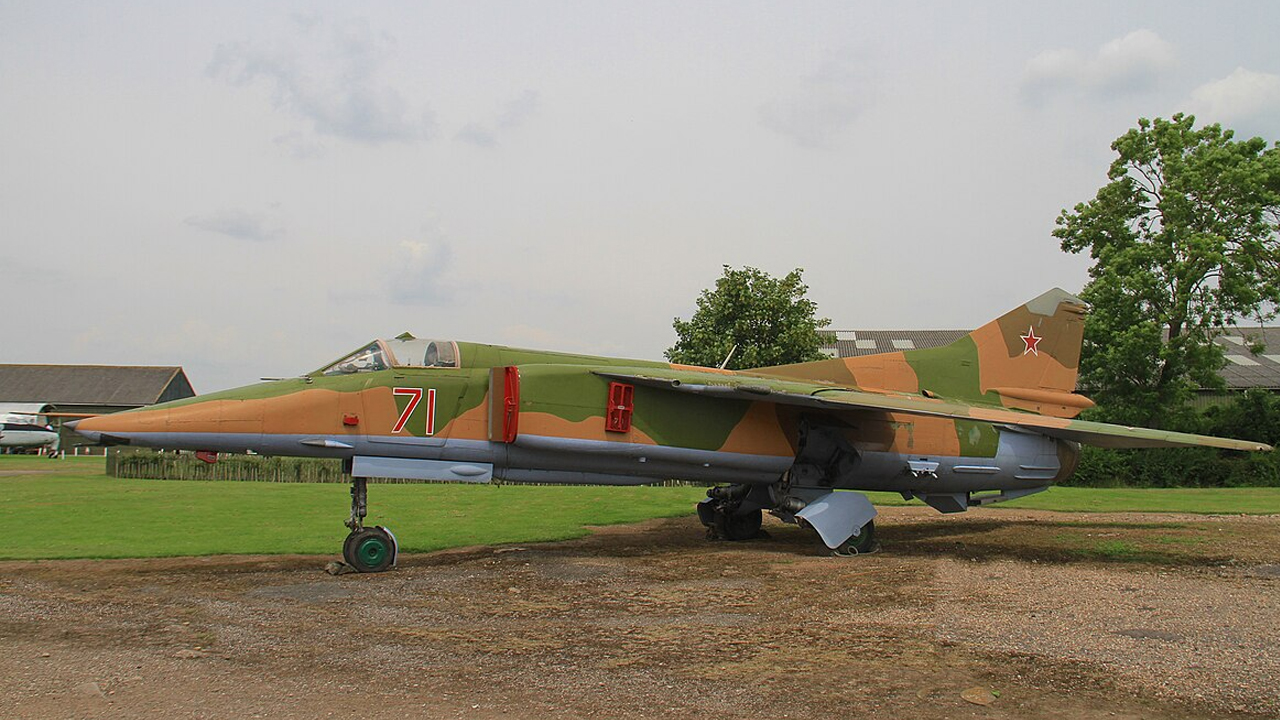
During the Cold War, the Soviet Union pursued an ambitious goal: build a fast, heavily armed jet that could stop NATO tank formations in their tracks. The result was the MiG-27 “Flogger,” a swing-wing ground-attack aircraft adapted from the MiG-23 fighter. With its hardened frame and brutally powerful cannon, the MiG-27 was supposed to be a precision tank killer. Yet, despite its fearsome reputation, the program never quite lived up to its battlefield promise. A full breakdown of the aircraft’s combat role and evolution was outlined by 19FortyFive, noting its strengths—and its serious drawbacks.
Fast, Heavy, and Brutally Armed
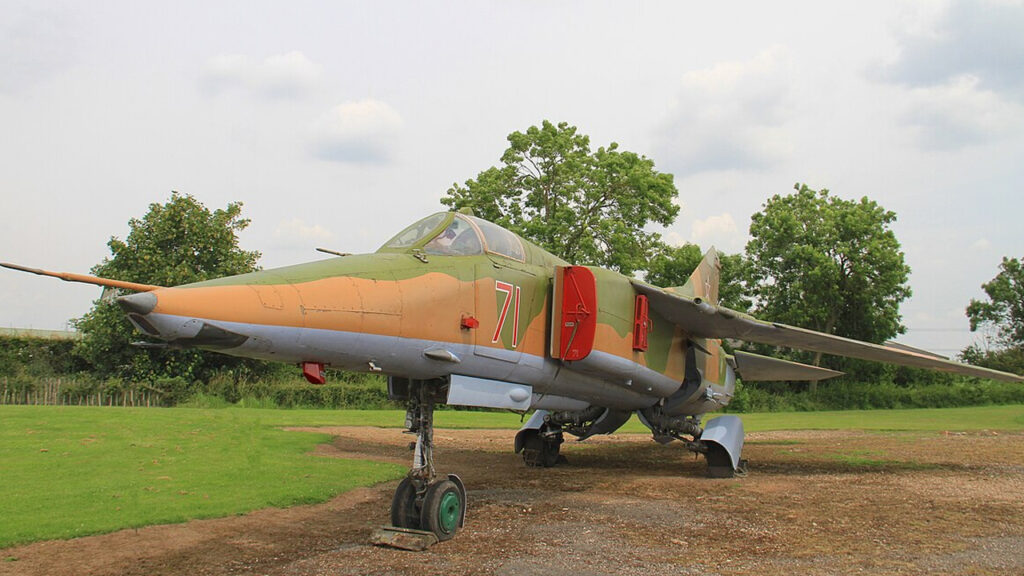
On paper, the MiG-27 was impressive. Capable of supersonic speeds at low altitudes, it was equipped with the GSh-6-30 six-barrel rotary cannon—a 30mm monster that could chew through armored columns. But the gun was so intense that it actually damaged the aircraft during firing. In fact, as The National Interest reported, the recoil and vibration often cracked avionics and airframe components. The Soviets had built a cannon so powerful it nearly defeated the aircraft carrying it.
Design vs. Reality
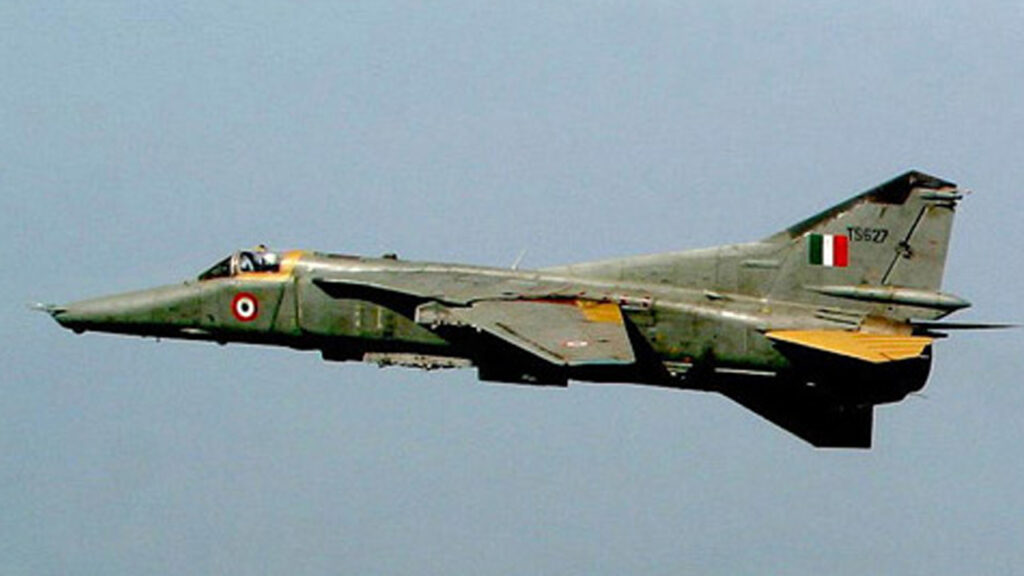
The MiG-27’s role was to strike tanks and escape before air defenses could react. But flying that fast, that low, came with problems. Pilots often struggled to visually acquire targets at speed, especially in the heat and dust of combat environments. The Military Factory database notes the aircraft’s high-speed bombing runs were risky, particularly without the precision guidance systems we take for granted today.
India’s Experience with the MiG-27
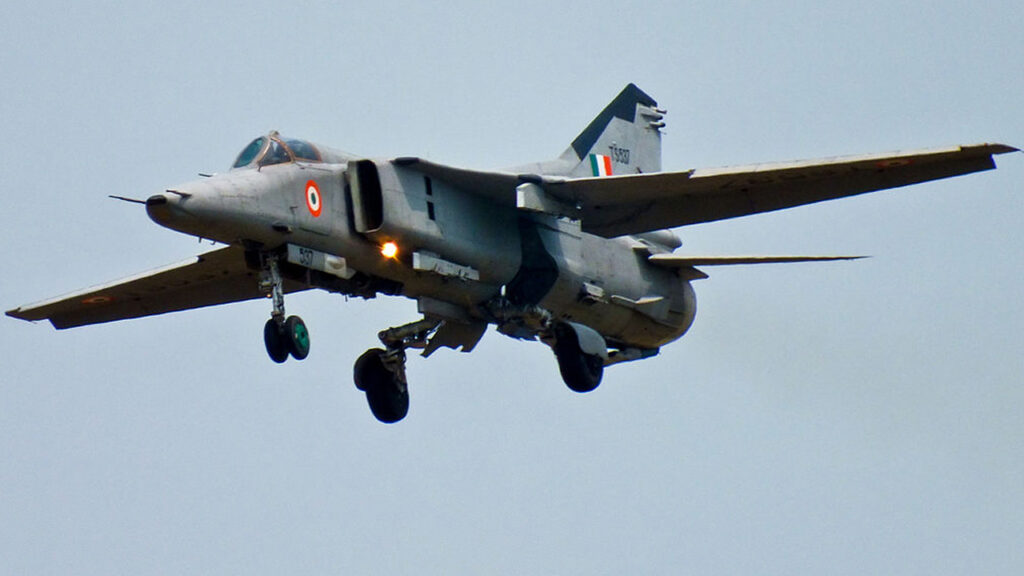
India was one of the largest foreign operators of the MiG-27 and even built its own variant—the Bahadur—under license. Though upgraded for local conditions, the aircraft still suffered from many of the original issues, including engine reliability and structural fatigue. A comprehensive overview of India’s production and deployment of the Bahadur variant was detailed by GlobalSecurity.org, which also tracked its retirement in 2020.
What the MiG-27 Taught Us
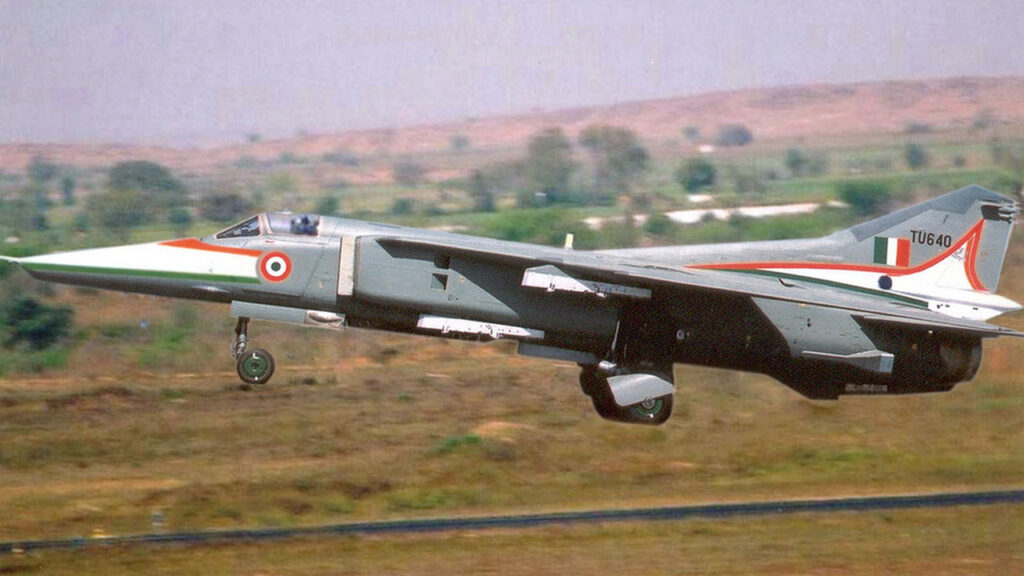
Ultimately, the MiG-27 became a cautionary tale. It proved that speed and firepower alone couldn’t guarantee effectiveness in the tank-killing role. Precision, survivability, and pilot situational awareness mattered just as much—if not more. Still, it left a mark. The aircraft’s legacy is preserved in aircraft museums and defense studies as one of the most aggressive, and flawed, attempts to bring supersonic power to the close-air-support world.


