
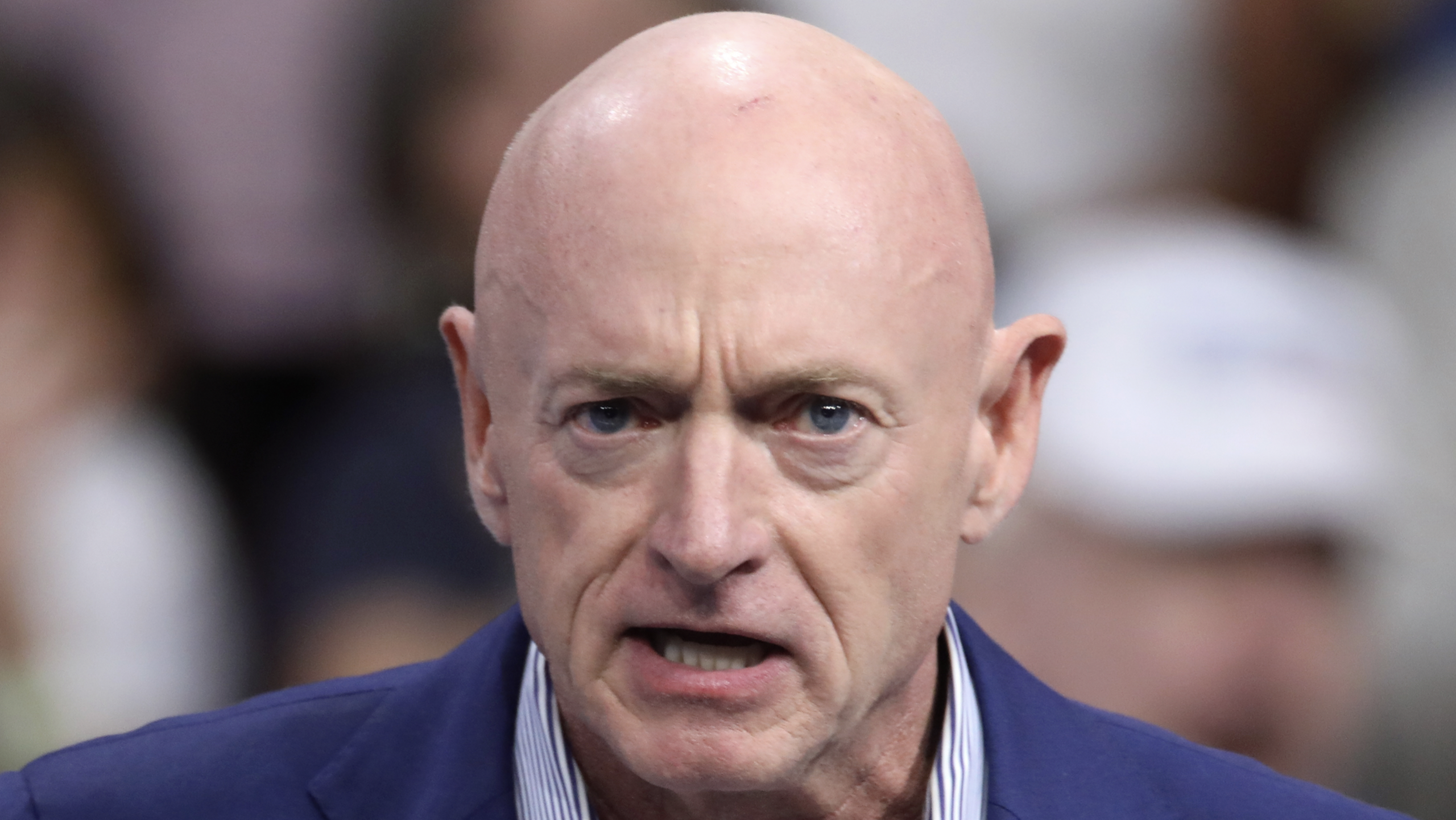
Senator Mark Kelly delivered a sharp critique of the current U.S. administration following the Munich Security Conference, asserting that decades of international alliance-building have been undermined in less than a year under President Donald Trump. Kelly, who traveled to Munich for discussions with global leaders, warned that the erosion of trust in U.S. partnerships poses significant risks to both national security and economic interests.
Observations From The Munich Security Conference –
— Senator Mark Kelly (@SenMarkKelly) February 15, 2026
It took a World War and eight decades to build the strongest alliance that this world had ever seen. It took less than a year to practically destroy it. When Secretary Rubio said the “old world order was dead” during his speech…
In a statement shared publicly, Kelly said, “It took a World War and eight decades to build the strongest alliance that this world had ever seen. It took less than a year to practically destroy it.” He highlighted comments from Secretary Rubio, who declared that the “old world order was dead,” attributing the breakdown of longstanding international structures to Trump’s policies and approach. Kelly stressed that while past alliances were not without flaws, the current administration’s strategy has worsened existing challenges, leaving the United States less trusted by its partners.
.@SecRubio: "The world is changing very fast right in front of us. The old world is gone … We live in a new era in geopolitics, and it's going to require all of us to sort of re-examine what that looks like and what our role is going to be." pic.twitter.com/wgPrl2xJZC
— Department of State (@StateDept) February 13, 2026
Kelly described his meetings with global leaders as revealing widespread concern over U.S. reliability. He cited Denmark and Greenland as examples, noting that “a loss of trust” might understate the deterioration of relations, and highlighted polling in Poland showing U.S. popularity falling by 21 percent. He linked this decline in trust to broader consequences, including the potential for nations to seek alternative trade and security arrangements, which could weaken U.S. influence and economic standing.
The senator also framed the discussion in a broader geopolitical context, pointing to the rising influence of China and the ongoing conflict in Ukraine. He argued that rebuilding trust with allies is essential to counterbalance China’s growing global presence, ensure collective security, and support efforts to resolve the war in Ukraine in a way that deters further aggression. Kelly warned that failing to maintain reliable alliances could compromise both economic growth and national defense in the era of technological competition.
Historically, the alliances Kelly referenced trace back to the aftermath of World War II and the establishment of institutions such as the North Atlantic Treaty Organization (NATO) in 1949. These alliances were designed to ensure collective security, prevent the resurgence of large-scale conflicts in Europe, and solidify transatlantic economic and political cooperation. Over eight decades, the United States worked closely with European and other global partners to maintain these relationships, using them as a cornerstone of international stability and U.S. foreign policy.
Kelly’s statement reflects concerns that recent U.S. policies and rhetoric under President Trump have strained these alliances, creating diplomatic uncertainty at a time when global threats—including rising authoritarian powers and ongoing regional conflicts—demand coordinated responses. His remarks underscore the challenges of repairing international trust once it has eroded and the stakes involved for U.S. security and economic leadership in the 21st century.
Concluding his observations, Kelly noted the contrast between celebrations at the Munich Security Conference and the reaction in Beijing and Moscow, implying that adversaries are positioning themselves to take advantage of perceived divisions in Western alliances. He emphasized that crafting a “better path forward” will require a renewed commitment to partnership, credibility, and strategic collaboration.


