
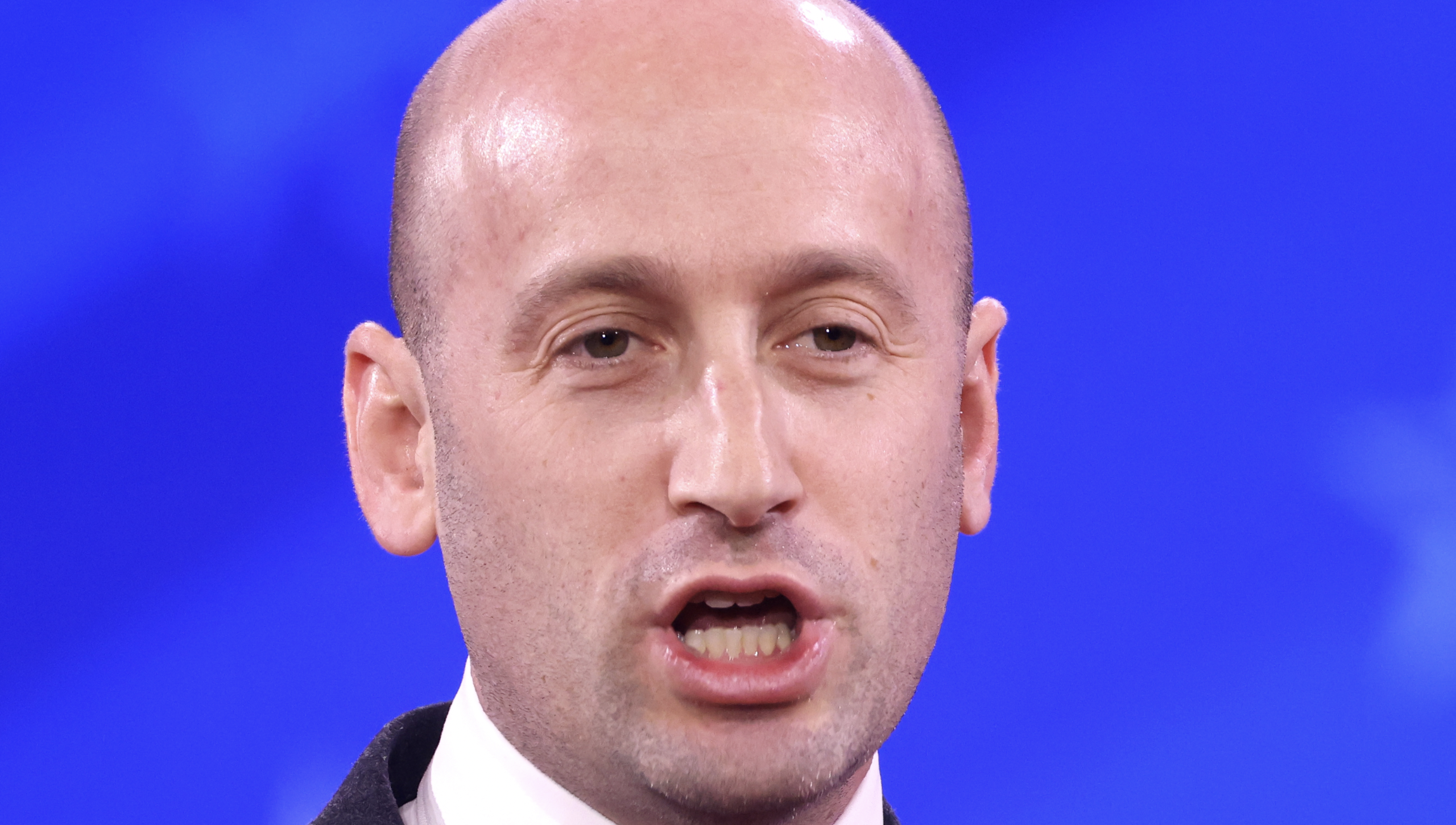
Stephen Miller, the United States Homeland Security Advisor, attacked Democrats’ stance on immigration, asserting that “The Democrat Party yearns and fights and struggles for nothing more than a fully open border to the third world.” His characterization reflects his long-standing hardline position on border policy, but it comes amid intense national controversy over federal immigration enforcement actions that critics say have fueled unrest and prompted widespread calls for accountability — including demands that he be removed from his position.
The Democrat Party yearns and fights and struggles for nothing more than a fully open border to the third world. https://t.co/pRgurCtnxu
— Stephen Miller (@StephenM) January 29, 2026
Miller’s post amplifies a narrative he has repeatedly advanced throughout his time in the Trump administration: that Democratic leaders favor minimal border controls and that such policies undermine national security and social order. As Homeland Security Advisor, Miller has been one of the principal architects of the administration’s immigration enforcement strategy, including “Operation Metro Surge,” a major deployment of immigration agents to Minneapolis this month that has become a flashpoint in national politics.
Operation Metro Surge brought hundreds of officers from Immigration and Customs Enforcement (ICE) and Customs and Border Protection (CBP) into Minnesota for aggressive enforcement aimed at identifying and detaining undocumented immigrants. The campaign quickly drew intense scrutiny following two fatal shootings involving federal agents and U.S. citizens in Minneapolis. The second of those, the January 24 killing of 37-year-old intensive care nurse Alex Pretti by Border Patrol agents, ignited protests and sharpened debate over the use of force and the direction of immigration policy.
Critics argue that Miller’s influence helped shape enforcement priorities and messaging around the operations, and they have seized on his public statements blaming victims and depicting aggressive enforcement as necessary, even as video evidence and eyewitness accounts raised questions about the circumstances of the shootings. Opponents have accused him of stoking division and enabling tactics they describe as heavy-handed and counterproductive.
The backlash has not been limited to political commentary. Lawmakers from both parties, civil liberties groups, and local officials have openly criticized Miller’s role. Representative Don Beyer described Miller as a “deranged, bloodthirsty bigot” whose policies “put lives at risk every day he remains in power” and called for his immediate removal. Democratic leaders, including Senator Ruben Gallego and Senator Ben Ray Luján, have similarly called for Trump to fire Miller, with Gallego accusing him of pushing “unhinged and depraved policies” and Luján saying Miller has been behind “some of the worst and most dangerous” policy decisions in the administration. California Governor Gavin Newsom even placed direct blame on Miller for the administration’s direction on immigration enforcement.
Stephen Miller is directly responsible for the deaths, violence, and chaos from Trump Administration's lawless, violent rampage across America.
— Governor Gavin Newsom (@CAgovernor) January 27, 2026
He must be fired and held accountable. pic.twitter.com/VZdz4EGSwO
Miller’s defenders argue that tough border enforcement is essential to national sovereignty and security, and that efforts like Operation Metro Surge reflect a lawful commitment to uphold immigration laws. Supporters contend that Democrats’ resistance to such measures has contributed to disorder and that the administration’s approach is a legitimate response to challenges at the border and in interior enforcement.
The uproar over the Minneapolis shootings and Miller’s affiliation with the enforcement strategy has intensified scrutiny of his role. Calls for his firing have gained traction among critics who see his rhetoric and policy influence as driving an agenda they view as overly punitive and disconnected from civil liberties concerns.
Miller’s latest statement — tying the Democratic Party to a vision of “fully open” borders — underscores the deep polarization surrounding immigration policy. As protests continue and political leaders debate accountability, his position at the center of the storm highlights the broader national conflict over how the United States enforces its immigration laws and balances security, humanitarian concerns, and constitutional protections.


