
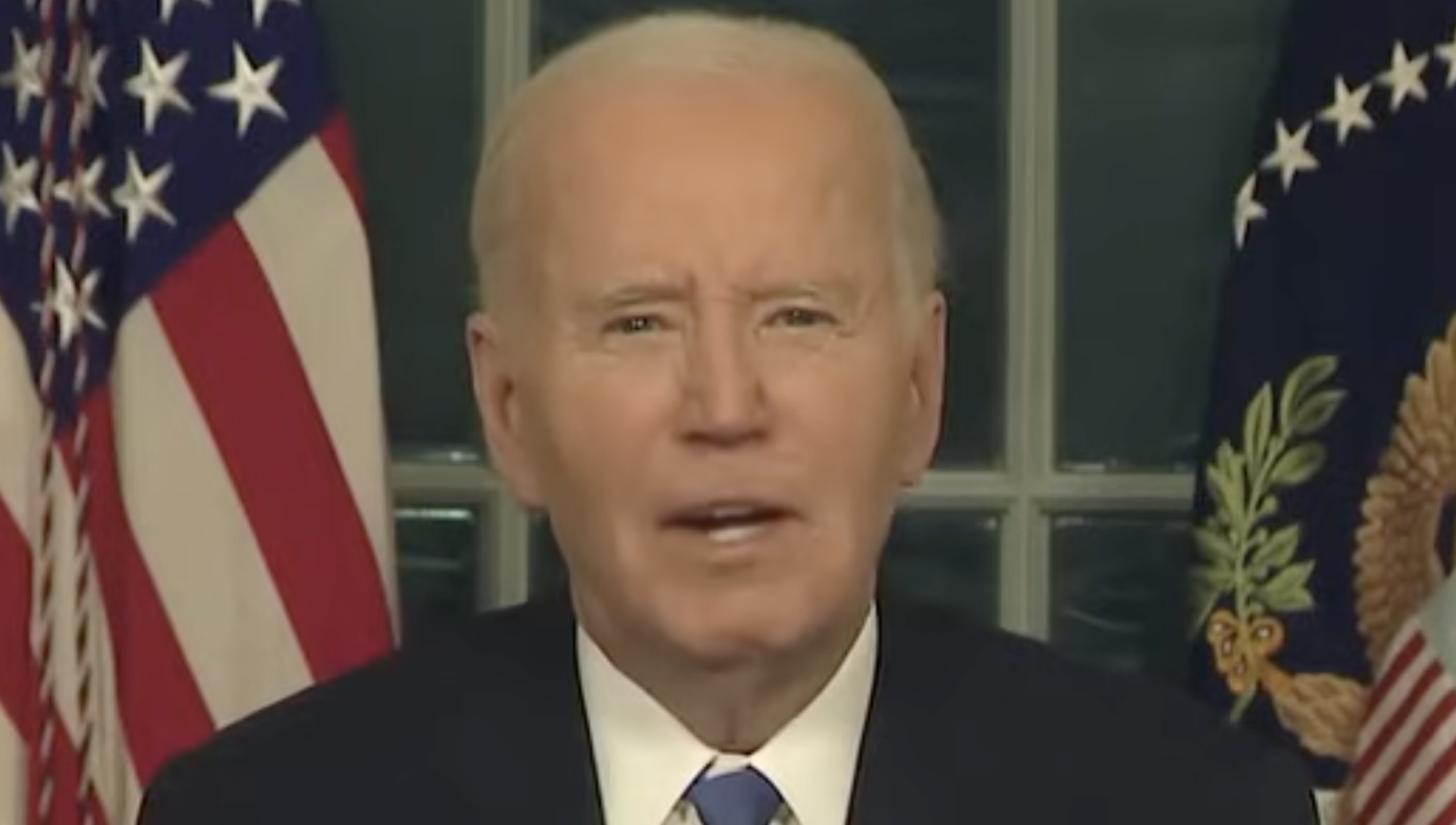
Former President Joe Biden’s farewell address is drawing renewed attention as protests and political tensions escalate under President Trump’s reign, particularly following deadly immigration enforcement actions in Minnesota that have sparked outrage nationwide. Biden’s warning about the concentration of power in America is being revisited as critics of the administration argue that recent events reflect exactly the dangers he described.
In his final address, Biden cautioned that “an oligarchy is taking shape in America of extreme wealth, power, and influence,” warning that it threatens democracy, basic rights, and equal opportunity. He framed the concern not as a partisan dispute but as a test of whether Americans would confront the abuse of power or yield to it, emphasizing that democratic institutions only endure if they are actively defended.
President Biden’s farewell address:
— The Intellectualist (@highbrow_nobrow) January 27, 2026
"I want to warn the country of some things that give me great concern. That's the dangerous concentration of power in the hands of a very few ultra wealthy people … Today, an oligarchy is taking shape.” (2025)
pic.twitter.com/oePqakOdNv
Biden stressed that the presidency, Congress, the courts, and a free press are foundational to a free society, warning that when power becomes concentrated in the hands of a few, accountability weakens. His remarks now intersect with public anger over aggressive immigration enforcement under the Trump administration, particularly after the fatal shootings of Alex Pretti and Renee Good during federal operations in Minnesota. Those incidents have fueled protests, calls for investigations, and accusations that federal authority is being exercised without sufficient restraint or transparency.
When Biden referred to an oligarchy, he was describing a system in which a small group of powerful individuals—often defined by extreme wealth or political influence—wields disproportionate control over government decisions and public life. He warned that such concentration allows policies to be shaped for the benefit of a narrow elite while ordinary citizens bear the consequences, including reduced civil liberties and fewer economic opportunities.
Biden drew a historical comparison to the early 20th century, when industrial monopolies dominated American life. He argued that the country responded then by enforcing common rules through antitrust laws, labor protections, and fair taxation, laying the groundwork for the modern middle class. He said similar vigilance is required again, particularly as powerful interests seek to roll back regulations and protections.
As President Trump’s administration faces mounting criticism over immigration raids, the use of force by federal agents, and the centralization of authority within the executive branch, Biden’s farewell message has taken on added relevance. Protests in Minnesota and beyond have reflected broader fears that enforcement policies are being driven by ideology and political power rather than law, due process, or public safety.
Biden concluded his address with a warning rather than a prediction, emphasizing that no single leader can redefine America unless the public allows it. He argued that democracy depends on citizens standing up to the abuse of power and insisting that everyone, regardless of wealth or position, plays by the same rules.
As anger over immigration enforcement continues to boil and trust in federal institutions is tested, Biden’s farewell address is being viewed less as a retrospective and more as a cautionary message about the consequences of unchecked power in the current political moment.


